The Hidden Danger in Your Home? Unmasking the Toxicity of the Trumpet honeysuckle Plant.
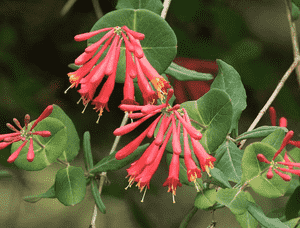
1
Ingesting significant quantities of trumpet honeysuckle's toxic components may result in serious health problems, including respiratory distress or unconsciousness.
2
Trumpet honeysuckle poses a danger to felines; consumption can cause intoxication and requires prompt veterinary intervention.
3
Canines may experience vomiting, loose stools, and stomach discomfort if they eat trumpet honeysuckle, particularly its berries.
Is Trumpet honeysuckle toxic to humans?
Similar to certain other honeysuckle types, trumpet honeysuckle may contain harmful substances that could be detrimental if consumed in significant quantities. Ingesting this plant typically leads to mild symptoms, caused by potential toxins present throughout the entire plant. These symptoms include abdominal pain, a burning sensation, loose stools, throwing up, and an erratic pulse. In severe instances, breathing difficulties or a comatose state could occur. It's advisable to avoid planting this species where children might inadvertently consume dangerous parts without recognizing the risks.
Is Trumpet honeysuckle toxic to cat?
Trumpet honeysuckle poses a toxicity risk to felines. Should cats consume this plant, particularly its berries, they could experience poisoning. Pet parents should be watchful as these plants often attract cats, who might ingest them unintentionally. Post-ingestion, cats may display signs of physical distress or sickness, requiring prompt veterinary care. To protect feline well-being, it's vital to restrict access to this plant and ensure immediate treatment at a vet clinic if poisoning is suspected.
Is Trumpet honeysuckle toxic to dog?
Trumpet honeysuckle is deemed poisonous to canines. Dogs can suffer from poisoning if they accidentally eat this plant, especially its fruits, which are the harmful components. Following the consumption of trumpet honeysuckle, a dog might show signs like throwing up, loose stools, stomach discomfort, or more serious indicators depending on the amount ingested. It's essential for dog guardians to supervise their pets and prevent access to trumpet honeysuckle to avert accidental consumption. If a dog does ingest any part of trumpet honeysuckle, particularly the fruits, it is crucial to seek immediate veterinary attention for appropriate treatment and management of any potential poisoning.



