The Hidden Danger in Your Home? Unmasking the Toxicity of the European honeysuckle Plant.
1
The vibrant red berries of European honeysuckle can lead to significant gastrointestinal problems such as sickness, throwing up, and loose stools.
2
Young children face a heightened danger because of the enticing aroma and attractive hue of European honeysuckle's fruit.
3
European honeysuckle poses a danger to both felines and canines, requiring prompt veterinary attention if consumed.
Is European honeysuckle toxic to humans?
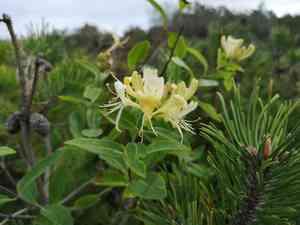
European honeysuckle produces vivid red berries that carry the plant's sweet fragrance, yet taste awful and, even more so than other parts of the plant, will lead to significant digestive issues if consumed in sufficient quantity. The entire plant contains bitter-tasting saponins, particularly concentrated in the berries. Ingesting enough berries will trigger the typical human response to saponins: nausea, abdominal discomfort, emesis, and loose stools. Usually, only supportive care is necessary, but if the individual experiences severe symptoms or is a young child, contact your physician or a poison control center. These berries pose a specific risk to young children due to their sweet aroma and bright coloration. If you have young children and cultivate European honeysuckle in your garden, secure it with a barrier to prevent access, or remove it entirely.
Is European honeysuckle toxic to cat?
European honeysuckle is deemed harmful to felines. The main way poisoning often happens is when cats accidentally consume parts of the plant, especially the berries. After consumption, cats might show signs of physical discomfort that require urgent veterinary care. Given the potentially serious impact on feline well-being, it's vital for cat owners to be careful about keeping their pets away from European honeysuckle and to quickly get veterinary help if exposure occurs.
Is European honeysuckle toxic to dog?
European honeysuckle is regarded as harmful to canines. Dogs can experience poisoning if they eat the plant, particularly its fruits, which are the toxic components of European honeysuckle. If a dog accidentally consumes these fruits, it might display symptoms like vomiting, diarrhea, stomach pain, and other signs of distress. It's critical for dog owners to supervise their pets closely and prevent access to European honeysuckle, especially during its fruiting period when the chance of ingestion is elevated. Should a dog ingest parts of European honeysuckle, immediate veterinary care is crucial to ensure quick treatment and lessen any negative health consequences.



