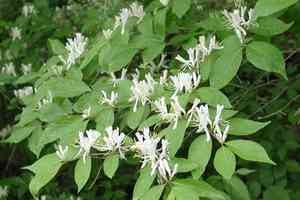
The Hidden Danger in Your Home? Unmasking the Toxicity of the Amur honeysuckle Plant.
1
Amur honeysuckle poses a slight toxic threat to cats, especially if they ingest large amounts of the plant.
2
The main danger comes from the berries of amur honeysuckle, which can lead to negative health reactions in both cats and dogs if eaten.
3
Prompt veterinary care is crucial if animals display signs of toxicity after consuming any part of amur honeysuckle.
Is Amur honeysuckle toxic to cat?
Amur honeysuckle presents a mild toxicity risk to cats, with concerns escalating if large amounts of the plant are consumed. The main danger comes from the berries, which, if eaten in significant quantities, can lead to various negative health outcomes in felines. Although the exact toxic compounds are not specified, it's vital to watch for any signs of discomfort or sickness in your pet, as these could signal poisoning. Cat owners should observe their animals and immediately consult a veterinarian if they suspect their cat has eaten parts of amur honeysuckle, thus safeguarding their feline companion's health and security.
Is Amur honeysuckle toxic to dog?
Amur honeysuckle carries a slight toxicity threat to dogs, mainly when its berries are consumed in substantial quantities. Canines that ingest considerable amounts of these harmful components might display signs consistent with poisoning. While the precise toxic agents aren't elaborated upon, dog owners should be watchful for any indications of distress or atypical conduct after ingestion. Typical symptoms can encompass digestive upset, such as throwing up and loose stools, alongside possible sluggishness or more severe responses depending on the ingested amount and the individual dog's susceptibility. It's critical for pet owners to control their dogs' exposure to amur honeysuckle, particularly during the berry-producing period when the danger is elevated. Should a dog consume parts of amur honeysuckle and show poisoning symptoms, immediate veterinary care is imperative to guarantee swift and suitable treatment.



