The Hidden Danger in Your Home? Unmasking the Toxicity of the Perfoliate honeysuckle Plant.
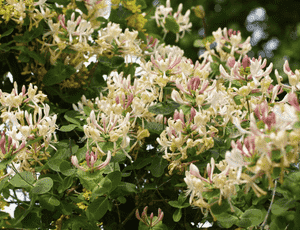
1
Touching any part of perfoliate honeysuckle can lead to skin irritation or more serious issues if consumed.
2
Felines might exhibit signs of physical discomfort after contact with perfoliate honeysuckle, necessitating prompt veterinary care.
3
Canines may suffer from digestive upset, throwing up, and loose stools if exposed to perfoliate honeysuckle.
Is Perfoliate honeysuckle toxic to humans?
Perfoliate honeysuckle presents a low toxicity hazard to people, potentially causing allergic responses. Touching any part of the plant can irritate the skin, and consuming it might lead to more noticeable symptoms. The whole plant, including its foliage, stalks, and fruits, is deemed poisonous. If consumed by mistake, individuals might suffer digestive upset, marked by sickness, throwing up, and loose stools. It's vital to exercise care around perfoliate honeysuckle, particularly for those with known sensitivities, to avoid unintentional poisoning via contact or consumption.
Is Perfoliate honeysuckle toxic to cat?
Perfoliate honeysuckle presents a low toxicity risk to felines. Exposure happens through eating or skin contact with any part of the plant, as its complete structure is poisonous. Following poisoning, cats might show signs of physical discomfort, necessitating prompt veterinary care. Cat guardians should closely observe their pets and block access to perfoliate honeysuckle to guarantee their safety and health.
Is Perfoliate honeysuckle toxic to dog?
Perfoliate honeysuckle is categorized as mildly toxic to canines. Dogs can be poisoned by this plant through skin exposure or accidental consumption. The entire plant, encompassing leaves, stems, and blossoms, possesses toxic qualities that endanger dogs. If a dog touches or eats any part of perfoliate honeysuckle, it might display signs like digestive upset, vomiting, diarrhea, and possibly more serious reactions depending on the quantity consumed. It's critical for dog owners to supervise their pets closely and prevent access to perfoliate honeysuckle. In cases of suspected poisoning, immediate veterinary attention is essential to safeguard the affected animal's health.



