The Hidden Danger in Your Home? Unmasking the Toxicity of the Coastal doghobble Plant.
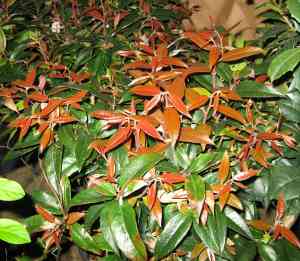
1
Coastal doghobble contains andromedotoxin, a compound that functions as a neurotoxin and can lead to severe, lasting harm if consumed.
2
Coastal doghobble presents a significant danger to cat well-being, as all its components are potentially fatal if eaten, necessitating prompt veterinary intervention.
3
Canines that ingest any portion of coastal doghobble may experience emesis, loose stools, convulsions, and potentially even unconsciousness, requiring immediate veterinary assistance.
Is Coastal doghobble toxic to humans?
Coastal doghobble is hazardous to people and can inflict lasting harm if consumed. Its foliage and blossoms contain andromedotoxin, a highly perilous compound that can severely irritate the digestive system and all mucous membranes, and which functions as a neurotoxin in greater quantities. Poisoning signs include salivation, perspiration, oral numbness, headache, nasal discharge, despondency, abdominal pain, sickness, emesis, loose stools, feebleness, and if sufficient is consumed, paralysis.
Is Coastal doghobble toxic to cat?
Coastal doghobble presents a grave danger to feline well-being, with every part of the plant potentially deadly if consumed. Cats can suffer poisoning by ingesting portions of the plant, which might lead to immediate or delayed signs of distress. Owners must be watchful for any shifts in behavior or indications of discomfort or illness in their cat, which could be linked to coastal doghobble consumption. It is vital for cat guardians to recognize the serious hazard coastal doghobble poses and to seek prompt veterinary assistance if poisoning is suspected.
Is Coastal doghobble toxic to dog?
Coastal doghobble presents a significant toxicity hazard to canines. Ingesting any portion of the plant can result in poisoning. Dogs might be drawn to and chew on the leaves, stalks, or other components of coastal doghobble, all of which are poisonous. Symptoms of poisoning in dogs can encompass emesis, diarrhea, excessive drooling, lethargy, convulsions, and potentially even a comatose state. Given the elevated toxicity level linked with coastal doghobble, it is crucial for dog owners to prevent their pets from accessing this plant. If a dog is suspected of having consumed any part of coastal doghobble, immediate veterinary care is essential for the animal's health and safety.



