The Hidden Danger in Your Home? Unmasking the Toxicity of the Perennial pea Plant.
1
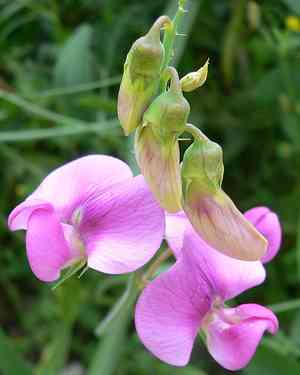
Every part of the perennial pea plant contains a harmful substance that impacts muscle and nerve function.
2
If consumed by felines or canines, it can be deadly, requiring prompt veterinary care.
3
Signs of perennial pea toxicity involve immobility, spasms, and fits, potentially manifesting days following consumption.
Is Perennial pea toxic to humans?
The seeds and their casings from perennial pea are harmful to people if consumed. Poisoning typically results from inadvertently eating significant amounts of these peas. While its toxicity is deemed low, ingesting large quantities of perennial pea can be lethal or cause serious sickness. Signs of poisoning might include paralysis, a slow and weak heartbeat, shallow respiration, convulsions, tremors, and seizures.
Is Perennial pea toxic to cat?
The perennial pea poses a moderate to severe toxicity risk if consumed. Symptoms, which might manifest after several days, include restlessness, shaking, head pressing, and if consumed in large quantities, it can be fatal. Generally, mature seeds contain the highest concentration of the harmful substance, and grazing animals are usually the ones to ingest a high toxic load, but if you suspect your cat has eaten this plant, it's advisable to consult your veterinarian.
Is Perennial pea toxic to dog?
Perennial peas are extremely poisonous to dogs; ingestion frequently necessitates prompt veterinary care. Every part of the plant contains a toxin that impacts the muscular and nervous systems. Signs of mild perennial pea poisoning include loose stools, throwing up, pacing, and sluggishness. More severe instances can lead to tremors, seizures, and even deathâoften, these serious cases stem from repeated consumption of the plant over time.



