The Hidden Danger in Your Home? Unmasking the Toxicity of the Bleeding heart Plant.
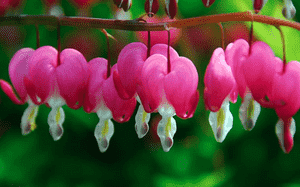
1
Consuming bleeding heart can lead to seizures and respiratory distress in people, posing a serious health danger.
2
Bleeding heart is poisonous to felines and canines, possibly inducing emesis, sluggishness, and irregular cardiac rhythms.
3
Instances of human consumption of bleeding heart are extremely uncommon because there are virtually no similar-looking edible plants.
Is Bleeding heart poisonous to people?
Bleeding hearts can be slightly harmful upon contact or moderately to highly poisonous if consumed. Every part of the plant contains a group of isoquinolone alkaloids. When touched, these substances can lead to minor contact dermatitis (skin redness, itching, and swelling) in some individuals. However, if eaten, these compounds can cause significant illness, leading to symptoms like vomiting, diarrhea, sluggishness, seizures, and breathing difficulties. Bleeding hearts are common decorative plants â gardeners should use gloves when handling them. Fortunately, since they have almost no edible counterparts, instances of humans consuming bleeding hearts are extremely uncommon.
Is Bleeding heart harmful to felines?
Bleeding heart poses a danger to cats. Felines might inadvertently consume portions of bleeding heart, leading to poisoning, as every part of the plant is toxic. Following ingestion, cats can display indicators of physical discomfort and distress. To lessen the dangers, cat guardians should ensure that bleeding heart is kept inaccessible to their pets and remain watchful for any unusual conduct. Should a cat be suspected of having consumed bleeding heart, it is crucial to obtain prompt veterinary attention to safeguard the feline's well-being and safety.
Is Bleeding heart dangerous to canines?
Bleeding heart is categorized as a harmful plant for dogs. Canines can suffer poisoning if they consume any portion of the plant, as all parts are deemed toxic. When ingested, even in small quantities, bleeding heart can induce various symptoms such as vomiting, diarrhea, excessive salivation, lethargy, and an irregular heart rate. It is vital for dog owners to be watchful and prevent their pets from reaching areas where bleeding heart is present to avert accidental consumption. If a dog does consume bleeding heart, it is essential to seek immediate veterinary assistance to ensure the most favorable outcome for the pet.



