The Hidden Danger in Your Home? Unmasking the Toxicity of the Hyacinth bean Plant.
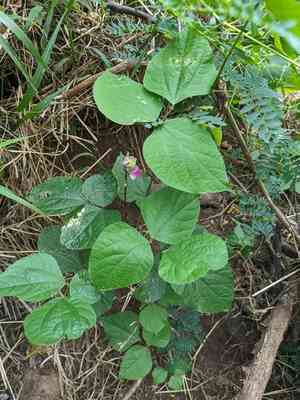
1
Consumption of hyacinth bean may lead to convulsions and respiratory distress, particularly hazardous if seeds are eaten.
2
Felines intoxicated by hyacinth bean exhibit immediate sickness, necessitating urgent veterinary intervention for recuperation.
3
Canines face a risk of emesis and sluggishness if they ingest any portion of hyacinth bean, requiring swift medical assistance.
Is Hyacinth bean toxic to humans?
Hyacinth bean possesses harmful characteristics that can injure people if consumed. Effects are typically minor. Because of the glucoside present in the beans, they are poisonous to humans, particularly if consumed in quantity. Ingesting the beans could lead to breathing difficulties, nausea, spasms, and even fits. These decorative plants are a common garden feature, making them accessible. Children may be especially susceptible to the harmful traits, as they might consume the beans unaware of their toxic nature.
Is Hyacinth bean toxic to cat?
Hyacinth bean presents a moderate poisoning danger to felines if consumed. The main way cats are poisoned is by ingesting the harmful components, specifically the seeds of hyacinth bean. Following consumption, cats might display indications of physical distress or sickness, requiring immediate attention. It is vital for cat guardians to be watchful and obtain swift veterinary assistance for their pets if they suspect poisoning by hyacinth bean, as quick action can be essential for recuperation.
Is Hyacinth bean toxic to dog?
The plant species hyacinth bean presents a moderate poisoning danger to canines. Dogs can be harmed by ingesting parts of the plant, with the seeds being especially toxic. After consumption, dogs might display symptoms such as throwing up, loose stools, and sluggishness. It is crucial for dog guardians to be vigilant and prevent their pets from reaching or eating any part of hyacinth bean, especially the seeds. Should a dog consume this plant, it is critical to seek immediate veterinary attention to ensure appropriate treatment and handling of any potential poisoning.



