The Hidden Danger in Your Home? Unmasking the Toxicity of the Sheep laurel Plant.
1
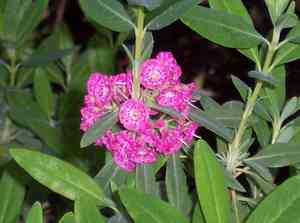
Every component of sheep laurel is extremely poisonous, containing dangerous compounds like andromedotoxin.
2
Consuming sheep laurel can, in serious instances, result in paralysis, seizures, and heart failure.
3
Prompt veterinary care is essential if felines or canines consume any portion of sheep laurel.
Is Sheep laurel toxic to cat?
The plant species known as Sheep laurel poses a significant poisoning risk to felines. Ingesting any portion of this plant, as all its components are poisonous, can result in serious health complications. Cats might display immediate physical discomfort after consumption, exhibiting various signs of severe sickness or pain. Cat guardians must remain watchful, as their pets can be poisoned simply by consuming parts of sheep laurel. Should poisoning be suspected, prompt veterinary intervention is essential to maximize the affected cat's chances of recuperation.
Is Sheep laurel toxic to dog?
Sheep laurel presents a considerable toxicity danger to canines. Upon consumption, any segment of the plant can induce poisoning, given that all its parts are toxic. Dogs might suffer poisoning from gnawing on the foliage, stalks, blossoms, or even the seeds of sheep laurel. Indicators of poisoning in dogs encompass emesis, loose stools, feebleness, labored respiration, profuse salivation, and potentially fatal cardiac irregularities. Given the elevated toxicity of sheep laurel, it is vital for dog owners to prevent their pets from accessing this plant and to supervise them closely outdoors. If a dog is thought to have consumed any part of sheep laurel, urgent veterinary care is paramount to address the poisoning and ensure the best prospect for recovery.



