The Hidden Danger in Your Home? Unmasking the Toxicity of the Eastern red cedar Plant.
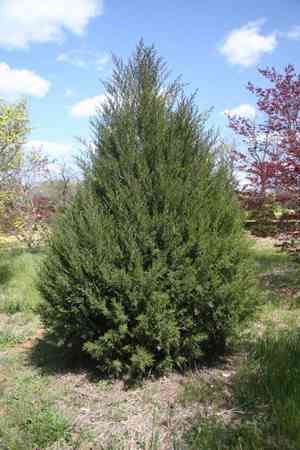
1
Large amounts of thujone in eastern red cedar can lead to severe sickness if consumed.
2
Indigenous American communities have historically utilized eastern red cedar foliage in infusions for addressing colds and coughs.
3
Eastern red cedar presents a low-level toxicity hazard to felines and canines, especially from its berries and leaves.
Is Eastern red cedar harmful to people?
The berries, blossoms, and foliage of the eastern red cedar are deemed poisonous if consumed in substantial amounts. These plant components contain a volatile compound known as thujone, which can induce loose stools. Unintentional consumption of the plant's harmful parts might happen when brewing tea from the leaves, a common remedy for colds and coughs among certain Indigenous American groups.
Is Eastern red cedar harmful to felines?
Eastern red cedar presents a low toxicity risk to cats, mainly if berries and foliage are eaten in considerable quantities. Contact with this flora can lead to felines displaying signs of physical discomfort. To lessen the danger, it's vital to stop cats from consuming large portions of the plant. If a cat shows any health irregularities, such as shifts in demeanor or physical state indicating distress or sickness, it is critical to get immediate veterinary attention to safeguard their health and welfare.
Is Eastern red cedar harmful to canines?
Eastern red cedar carries a slight toxicity risk for dogs. Dogs might experience poisoning from ingesting significant quantities of the plant, especially its fruits and leaves. If consumed, dogs could show signs like digestive upset or breathing difficulties. It is vital for dog guardians to supervise their pets and prevent them from eating large amounts of eastern red cedar. Should poisoning be suspected, immediate veterinary assistance is crucial to guarantee the affected dog's health.



