The Hidden Danger in Your Home? Unmasking the Toxicity of the Common morning glory Plant.
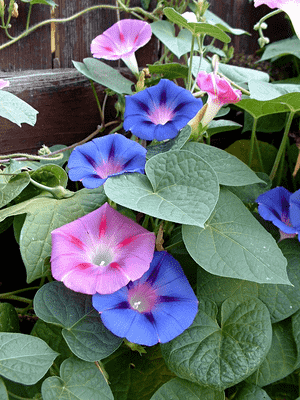
1
Morning glory contains toxic alkaloids that can harm humans if consumed, leading to symptoms such as sickness and loose stools.
2
The seeds of morning glory present the greatest danger to felines, necessitating immediate vet attention if eaten.
3
Canines may suffer poisoning from accidental consumption of morning glory, exhibiting signs like digestive issues or sluggishness.
Is Common morning glory toxic to humans?
Common morning glory possesses alkaloids that are harmful to people if consumed. The level of toxicity is minor, typically resulting in only nausea and loose stools, though significant quantities might lead to disorientation and nervousness. The seeds demand the most vigilance, as they hold the greatest concentration of harmful substances. Children are most susceptible to poisoning from this plant due to their attraction to its large, vibrant blossoms.
Is Common morning glory toxic to cat?
Common morning glory presents a toxicity hazard to felines, mainly via its seeds. Should a cat consume these harmful components, it might show signs of physical distress or sickness. The ways cats can become poisoned typically involve accidental eating of the seeds. In such cases, immediate veterinary attention is crucial to address any health issues that could result from the exposure. It's vital to keep common morning glory away from cats to avert any accidental consumption and potential poisoning.
Is Common morning glory toxic to dog?
Common morning glory is categorized as a poisonous plant for canines. Dogs can suffer poisoning from common morning glory primarily through consumption, often ingesting the plant inadvertently. The greatest danger stems from the seeds, which are recognized as the toxic components of common morning glory. If a dog consumes these seeds, they might display indications such as digestive upset, sluggishness, or more severe symptoms depending on the amount eaten. It is essential for dog owners to supervise their pets carefully and restrict access to common morning glory, particularly where seeds could be reachable. Should a dog ingest any part of common morning glory, especially the seeds, it is critical to seek immediate veterinary assistance to guarantee swift and suitable treatment.



