The Hidden Danger in Your Home? Unmasking the Toxicity of the Inkberry Plant.
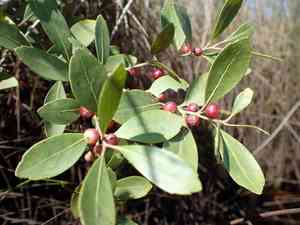
1
Inkberry fruits possess saponin, leading to emesis, abdominal discomfort, colic, and loose stools.
2
Felines intoxicated by inkberry exhibit signs of discomfort; prompt veterinary attention is crucial.
3
Inkberry presents a low toxicity risk to canines; consumption results in digestive upset, emesis, or loose stools.
Is Inkberry toxic to cat?
Inkberry presents a low level of toxicity to felines. Cats can experience poisoning if they ingest substantial amounts of any part of the plant. Following inkberry consumption, a cat might display general indicators of physical discomfort, including digestive issues. Pet owners should be careful to stop their cats from getting to inkberry, and if poisoning occurs, immediate veterinary attention is vital. Prompt medical care is essential for the affected cat's health and welfare.
Is Inkberry toxic to dog?
Inkberry carries a slight toxicity danger for canines. Dogs can get poisoned by this plant if they consume it in large quantities. Every part of inkberry is deemed toxic and could potentially cause negative reactions in dogs. If a dog eats any part of inkberry, they might show signs like digestive upset, throwing up, or loose stools. It's important for dog owners to watch their pets carefully and keep them away from inkberry to prevent potential poisoning. Should a dog ingest inkberry, seeking immediate veterinary care is critical for appropriate treatment and symptom management.



