The Hidden Danger in Your Home? Unmasking the Toxicity of the Algerian ivy Plant.
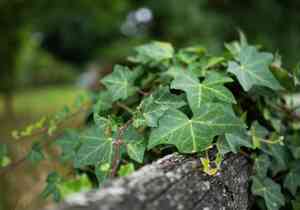
1
Algerian ivy presents a slight toxicity hazard to people, leading to dermal irritation and digestive issues such as sickness, throwing up, and loose stools.
2
Felines that encounter Algerian ivy may experience digestive upset and skin irritation.Prompt veterinary attention is essential.
3
Algerian ivy is poisonous to canines and can induce throwing up, loose stools, stomach discomfort, and excessive drooling.
Is Algerian ivy toxic to humans?
Algerian ivy presents a slight toxicity hazard to people, potentially causing allergic responses. Touching any portion of the plant, as all parts contain harmful substances, can trigger skin irritation or dermatitis. Consuming it, even unintentionally, might lead to more serious symptoms due to the triterpenoid saponins, specifically Hederin. Signs of algerian ivy poisoning could involve digestive issues like nausea, vomiting, and diarrhea. It's essential for individuals, especially those with known sensitivities, to handle algerian ivy cautiously to prevent any negative reactions.
Is Algerian ivy toxic to cat?
Algerian ivy is regarded as poisonous to felines, with the entire plant containing detrimental properties. Cats can suffer poisoning from direct contact with or consumption of any part of algerian ivy. Specifically, the presence of triterpenoid saponins, notably Hederin, contributes to its harmfulness. Following exposure, a cat might display symptoms such as digestive upset, excessive drooling, or skin inflammation. Prompt veterinary attention is vital if a cat is suspected of having touched or ingested algerian ivy, to guarantee quick treatment and avert more serious health issues.
Is Algerian ivy toxic to dog?
Algerian ivy is categorized as a poisonous plant for canines. Exposure to this plant can happen through direct contact or accidental consumption. The whole plant contains harmful constituents, thus all parts of algerian ivy pose a danger to dog health. Dogs that touch or eat any segment of algerian ivy might show symptoms such as throwing up, loose stools, excessive salivation, and stomach discomfort. When the toxic agents are identified, triterpenoid saponins (specifically Hederin) have been pinpointed as the compounds causing these ill effects. If a dog is thought to be poisoned by algerian ivy, it is crucial to seek immediate veterinary assistance to ensure the best possible prognosis.



