The Hidden Danger in Your Home? Unmasking the Toxicity of the Ground ivy Plant.
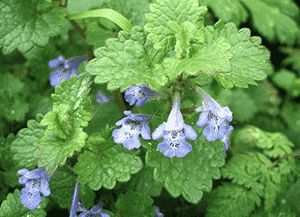
1
Ingesting ground ivy foliage is not recommended for expectant mothers, individuals with hepatic conditions, or seizure disorders.
2
Large quantities of ground ivy may lead to termination of pregnancy or liver impairment.
3
Felines and canines face a slight risk of toxicity, exhibiting signs such as emesis, loose stools, and sluggishness.
Is Ground ivy toxic to humans?
Ingesting ground ivy foliage is deemed unsafe for individuals who are pregnant, suffer from liver ailments, or have epilepsy. The potential harmful effects of this plant are contingent on the amount consumed and the manner of intake, with symptoms and dangers not thoroughly documented. Certain reports suggest it might induce miscarriage or lead to liver damage if consumed in large quantities.
Is Ground ivy toxic to cat?
Ground ivy carries a low toxicity risk for felines. Cats might experience negative reactions if they consume significant amounts of any part of the plant. To prevent potential poisoning, cat guardians should be careful about letting their pets nibble on or interact with ground ivy. If a cat ingests a considerable quantity, they might display general signs of physical discomfort. It is vital for cat owners to watch for any indications of illness and to promptly seek veterinary attention to safeguard their pet's health and welfare.
Is Ground ivy toxic to dog?
Ground ivy presents a low toxicity hazard to canines. Although the plant isn't highly poisonous, consuming it in large amounts can result in poisoning. Dogs might be drawn to and eat various components of ground ivy, as all parts of the plant are considered toxic. Signs of poisoning in dogs can include digestive upset, such as throwing up and loose stools, along with possible sluggishness and excessive drooling. If you suspect your dog has eaten ground ivy, it is essential to seek immediate veterinary assistance to ensure appropriate treatment and management of any symptoms.



