The Hidden Danger in Your Home? Unmasking the Toxicity of the Council tree Plant.
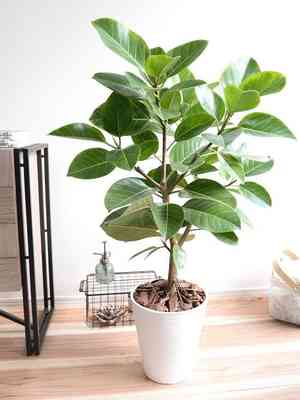
1
The sap of the council tree presents a slight toxicity hazard to people, potentially leading to skin inflammation or other dermal irritations upon exposure.
2
In felines, contact with the council tree's sap can result in physical distress, making urgent veterinary intervention necessary.
3
Canines that come into contact with the council tree's sap might exhibit signs such as skin irritation or emesis, necessitating quick veterinary assessment.
Is Council tree toxic to humans?
The Council tree presents a slight toxicity hazard to people, mainly due to its sap. Exposure to the sap, either by touching it or accidentally swallowing it, can trigger negative responses. The sap contains substances that, when they touch the skin, might cause dermatitis or other skin irritations. If consumed, the sap can irritate the mouth, throat, and digestive system, leading to symptoms like increased salivation, throwing up, and loose stools. It's crucial for individuals to handle the Council tree carefully to prevent these uncomfortable and possibly damaging effects.
Is Council tree toxic to cat?
The Council tree has a low level of toxicity for felines. Cats might experience poisoning if they consume or inadvertently come into contact with the Council tree's sap. After exposure to the sap, signs of physical discomfort or illness could appear. While specific symptoms aren't detailed, their intensity can differ, and they should be observed carefully. It is vital that any cat showing signs of distress after interacting with a Council tree be taken to a veterinary clinic without delay for suitable medical attention.
Is Council tree toxic to dog?
The Council tree presents a minor toxicity danger to canines. Dogs can be poisoned by this plant through eating it or coming into contact with its sap. If a dog ingests or touches the sap of a Council tree, it might display symptoms such as skin irritation, throwing up, or loose stools. It's important for dog owners to watch their pets closely and stop them from chewing on or rubbing against the plant. Should a dog show signs of poisoning from a Council tree, it is critical to get immediate veterinary help to ensure appropriate treatment and recuperation.



