The Hidden Danger in Your Home? Unmasking the Toxicity of the African Milk Bush Plant.
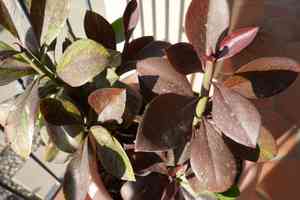
1
African Milk Bush presents a moderate danger to people, mainly from touching it or eating it by mistake.
2
Felines can be harmed by African Milk Bush, resulting in skin irritation or digestive upset from the plant's fluid.
3
Canines can be harmed by African Milk Bush, causing signs such as throwing up, loose stools, and skin irritation.
Is African Milk Bush toxic to humans?
African Milk Bush presents a moderate danger to people, mainly from skin exposure or unintentional consumption. The plant's milky fluid holds diterpene esters, which cause its harmful effects. When individuals touch this sap, it can trigger allergic responses and skin irritation. If swallowed, the fluid can result in more serious issues, including digestive upset like sickness and loose stools. It's vital to manage African Milk Bush carefully to stop the sap from touching skin or sensitive areas, and to prevent accidental eating, particularly by kids who might find the plant appealing.
Is African Milk Bush toxic to cat?
African Milk Bush carries a moderate level of danger for felines. Cats can suffer poisoning by either touching or inadvertently consuming portions of African Milk Bush, specifically its sap, which contains detrimental diterpene esters. Contact with these harmful elements can cause clear signs of physical discomfort or sickness, such as skin irritation upon contact or digestive problems if eaten. It is crucial for cat guardians to be watchful and guarantee their pets do not interact with African Milk Bush. Should poisoning be suspected, immediate veterinary attention is vital to stop the condition from worsening.
Is African Milk Bush toxic to dog?
African Milk Bush presents a moderate danger level to canines. Dogs can be poisoned by African Milk Bush through skin contact or accidental ingestion. The harmful component of African Milk Bush is its sap, which contains detrimental compounds that can lead to negative health outcomes in dogs. Signs of poisoning might include irritation at the contact site, throwing up, loose stools, and potentially more severe internal problems if consumed. It is essential for dog owners to be attentive and prevent their pets from touching or eating any part of African Milk Bush. If a dog is thought to have been poisoned by African Milk Bush, prompt veterinary care is crucial for accurate diagnosis and treatment.



