The Hidden Danger in Your Home? Unmasking the Toxicity of the Myrtle spurge Plant.
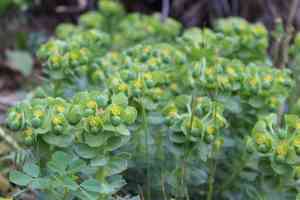
1
Myrtle spurge presents a medium level of toxicity to felines and canines.
2
Its milky sap or fluid is the most dangerous part if consumed.
3
Prompt veterinary attention is vital to achieve the most favorable result for pets that have been exposed.
Is Myrtle spurge toxic to cat?
Euphorbia myrsinites, also known as Myrtle spurge, presents a moderate danger to felines. Contact typically happens when a cat consumes a portion of the plant, especially its sap or fluid. Following ingestion, a cat might display signs of discomfort that require prompt care. While the exact harmful substances aren't detailed here, cat owners should be aware of the potential hazards. It is crucial for a cat showing any negative responses after encountering myrtle spurge to be taken to a vet clinic without delay for medical attention.
Is Myrtle spurge toxic to dog?
Euphorbia myrsinites, commonly referred to as Myrtle spurge, carries a moderate level of toxicity for canines. When dogs interact with this plant, the main danger arises if they consume any part of it. The most perilous elements are the milky fluid and juices, which can trigger various symptoms upon consumption. Dog owners should watch for indications of poisoning like throwing up, loose stools, excessive salivation, or more serious responses suggesting internal system involvement. If you suspect your dog has eaten myrtle spurge, it is vital to get immediate veterinary help to ensure the best prognosis for your pet.



