The Hidden Danger in Your Home? Unmasking the Toxicity of the Hyssop-leaf sandmat Plant.
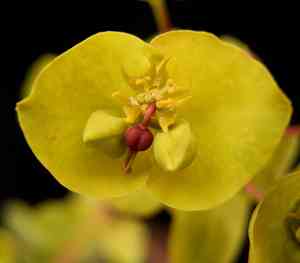
1
Harmful component: The plant's milky fluid, its sap, leads to serious reactions and potential vision loss if it contacts the eyes.
2
Typical habitat: This hazardous weed grows in yards, walkways, grassy areas, and along roads, presenting a risk to youngsters.
3
Pet toxicity: Felines and canines alike can experience adverse effects from the diterpene esters present in the plant's fluid.
Is Hyssop-leaf sandmat toxic to humans?
Ingesting or directly touching hyssop-leaf sandmat, particularly the eyes, can lead to poisoning. Prompt medical care is vital as effects vary from minor to severe. The plant's toxic component is its milky sap. Swallowing the sap causes vomiting. Eye contact with the sap can result in mild conjunctivitis, severe kerato-uveitis, or even vision loss. This common weed, found in gardens, paths, lawns, and roadsides, presents a hazard to children.
Is Hyssop-leaf sandmat toxic to cat?
Hyssop-leaf sandmat presents a moderate danger to cats. If a cat touches or accidentally consumes parts of hyssop-leaf sandmat, especially its sap, they might experience poisoning. The primary harmful substances in hyssop-leaf sandmat are diterpene esters, which can cause discomfort and illness in felines. Contact with hyssop-leaf sandmat can happen via skin or mouth, emphasizing the need for cat owners to prevent their pets from interacting with it. If a cat shows signs of distress after exposure, immediate veterinary care is crucial.
Is Hyssop-leaf sandmat toxic to dog?
Hyssop-leaf sandmat carries a moderate risk of toxicity for dogs. Dogs can be poisoned by hyssop-leaf sandmat through skin contact or accidental consumption. The main toxic compound in hyssop-leaf sandmat is diterpene esters, present in the plant's sap. Following exposure, dogs might display symptoms like vomiting, diarrhea, skin inflammation, or more serious reactions depending on the extent of contact. It's vital for dog owners to stop their pets from touching or eating any part of hyssop-leaf sandmat. If poisoning is suspected, immediate veterinary attention is necessary for the best outcome for the animal.



