The Hidden Danger in Your Home? Unmasking the Toxicity of the Caribbean copper plant Plant.
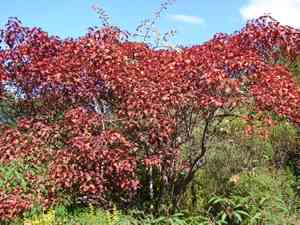
1
The Caribbean copper plant's sap may cause eye irritation and impair vision upon contact.
2
Consuming the leaves and bark of the Caribbean copper plant can result in intense vomiting, nausea, and diarrhea.
3
The Caribbean copper plant presents a high toxicity danger to both felines and canines if ingested.
Is Caribbean copper plant harmful to people?
The fluid from the Caribbean copper plant is harmful upon direct contact, requiring caution from those pruning it. This fluid can irritate the eyes and impair sight. When the tree's fluid touches skin, it may cause redness and irritation. The foliage and bark of the Caribbean copper plant are only poisonous if consumed. Common symptoms include throwing up, stomach upset, and loose stools. The vibrant leaves can be very appealing to young children. Internal organ damage, typically to the liver and kidneys, can result from consumption.
Is Caribbean copper plant harmful to felines?
Caribbean copper plant presents a significant toxicity danger to cats if consumed. Cats can experience poisoning by ingesting the plant's sap or liquid. After consumption, felines might display signs of intense physical distress, which could appear in various troubling forms. It is crucial for cat guardians to stop their pets from reaching Caribbean copper plant and to observe for any indications of sickness. Should Caribbean copper plant poisoning be suspected, owners must promptly get veterinary care to manage the symptoms and guarantee their cat's health and safety.
Is Caribbean copper plant harmful to canines?
Caribbean copper plant presents a significant toxicity risk to dogs. When dogs encounter the plant, especially if they consume parts containing its sap or juice, they face a poisoning hazard. Ingestion can lead to various symptoms such as throwing up, loose stools, sluggishness, stomach discomfort, and in some instances, more severe responses depending on the quantity consumed and the dog's individual sensitivity. Given its high toxicity, it is essential for dog owners to prevent their pets from accessing Caribbean copper plant and to supervise them closely in areas where the plant is present. If a dog is suspected of Caribbean copper plant poisoning, immediate veterinary attention is critical to ensure the best possible outcome for the animal.



