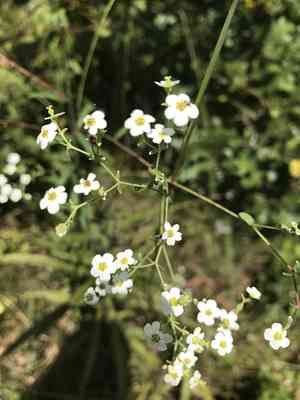
The Hidden Danger in Your Home? Unmasking the Toxicity of the Flowering Spurge Plant.
1
Contact with Flowering Spurge results in significant skin irritation, manifesting as redness, swelling, itching, and blistering.
2
Consuming Flowering Spurge triggers severe digestive problems, including nausea, vomiting, and diarrhea.
3
Toxins from Flowering Spurge induce photosensitivity, leading to intense skin reactions upon sun exposure.
Is Flowering Spurge toxic to humans?
Flowering Spurge is a poisonous plant with moderate to high toxicity. Contact with the plant causes skin irritation, while consuming large amounts can lead to internal poisoning. All parts of the plant are toxic, containing a milky latex. The primary toxic compounds are diterpene esters found in this sap. Common symptoms of skin irritation from the sap include redness, swelling, itching, blisters, and pain. Ingesting this plant can cause mild to severe gastrointestinal upset, such as nausea, vomiting, diarrhea, and stomach cramps. The plant's toxins also induce photosensitivity, resulting in severe skin irritation when exposed to sunlight.
Is Flowering Spurge toxic to cat?
Flowering Spurge presents a moderate toxicity risk to felines. If a cat encounters the plant's sap or accidentally consumes any part of it, poisoning could occur. Exposure typically happens through touch or unintentional ingestion. Cats affected by flowering Spurge may display signs of physical distress. The plant contains Diterpene esters, which are responsible for its harmful effects. In cases of suspected poisoning, immediate veterinary attention is vital to safeguard the cat's health and welfare.
Is Flowering Spurge toxic to dog?
Flowering Spurge carries a moderate toxicity risk for canines. Dogs can be poisoned by flowering Spurge through skin contact with its sap or accidental consumption. The main toxic agents in flowering Spurge are diterpene esters, which can trigger various symptoms upon exposure. Dogs that have touched or ingested parts of flowering Spurge might show signs like vomiting, diarrhea, weakness, and skin inflammation. Due to the potential for moderate toxicity, dog owners must closely observe their pets and seek immediate veterinary assistance if they suspect their dog has been poisoned by flowering Spurge. Prompt medical intervention is essential for managing the effects of the toxins present in flowering Spurge.



