The Hidden Danger in Your Home? Unmasking the Toxicity of the Golden pothos Plant.
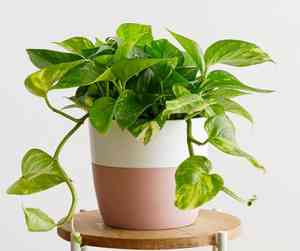
1
Golden pothos can cause mild toxicity in humans if consumed or contacted, leading to eczema, oral inflammation, and nausea.
2
Feline companions might face severe consequences from ingesting the leaves or stems of golden pothos, such as oral discomfort and fluid loss.
3
Canines typically exhibit signs within a day of consuming golden pothos, including irritation in the mouth, loose stools, and reduced energy.
Is Golden pothos harmful to people?
Golden pothos contains calcium oxalate, a compound that is slightly harmful to humans if eaten or if its sap makes significant skin contact. Ingesting golden pothos can lead to eczema (itchy, red, swollen, irritated skin), a burning sensation, mouth inflammation, and sickness. Skin exposure to the sap may also trigger dermatitis: an uncomfortable, itchy rash. Children are most susceptible to harm through accidental contact, as this is a very common indoor plant.
Is Golden pothos harmful to felines?
Golden pothos (Epipremnum aureum) is a common indoor plant that is highly poisonous to cats. If a cat chews the leaves or stems, it will experience severe irritation of the mouth, tongue, and lips, leading to excessive drooling or vomiting, which can result in dehydration. Without intervention from a veterinary expert, symptoms could be fatal.
Is Golden pothos harmful to canines?
While generally not lethal for your dog, if ingested, the leaves of the golden pothos will irritate your dog's mouth and digestive system. Most signs emerge within a day and include oral irritation, sluggishness, loose stools, and hypersalivation. More severe indications involve loss of awareness, fits, and breathing difficulties. Delays in veterinary care could result in internal organ harm, so seek professional help immediately if you suspect pothos poisoning.



