The Hidden Danger in Your Home? Unmasking the Toxicity of the Viper's bugloss Plant.
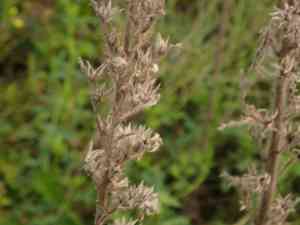
1
Every part of viper's bugloss is toxic, leading to issues such as sickness, loose stools, and harm to the liver if consumed.
2
Contact with viper's bugloss may result in dermatitis, characterized by inflamed, reddened skin and blister formation.
3
Viper's bugloss poses a health risk to felines and canines alike, inducing significant physical distress or sickness if eaten.
Is Viper's bugloss toxic to humans?
Viper's bugloss is a moderately harmful plant. Every part of the plant is poisonous if consumed, potentially leading to various adverse effects like discomfort in the lips, tongue, and throat, nausea, abdominal pain, diarrhea, and liver damage. The fine hairs on its leaves have also been observed to trigger contact dermatitis or allergic reactions, which can manifest as red, irritated skin, blistering, swelling, or localized pain. There is no indication that viper's bugloss causes airborne allergies.
Is Viper's bugloss toxic to cat?
Viper's bugloss presents a toxicity hazard to felines and can lead to poisoning if consumed. Cats might inadvertently ingest portions of the plant, such as its leaves, stems, blossoms, fruits, roots, seeds, bark, and sap. Following ingestion, cats could display indicators of physical distress or sickness. It is crucial to carefully observe your pet and to immediately seek expert care at a veterinary clinic to safeguard their health after exposure to viper's bugloss.
Is Viper's bugloss toxic to dog?
Viper's bugloss is categorized as a harmful plant for canines. Dogs can suffer poisoning from this plant if they consume it unintentionally. The whole plant, encompassing its leaves, stalks, flowers, fruits, roots, seeds, bark, and sap/juice, contains poisonous compounds that endanger canine well-being. After consuming parts of viper's bugloss, dogs might display various signs indicating poisoning. These symptoms could range from minor to severe and might include throwing up, loose stools, excessive drooling, weakness, or more serious indicators like tremors or convulsions. It is essential for dog guardians to supervise their pets closely and prevent access to viper's bugloss to avert accidental consumption. Should a dog ingest any part of viper's bugloss, it is vital to obtain prompt veterinary attention to ensure the most favorable outcome for the affected animal.



