The Hidden Danger in Your Home? Unmasking the Toxicity of the Squirrel Corn Plant.
1
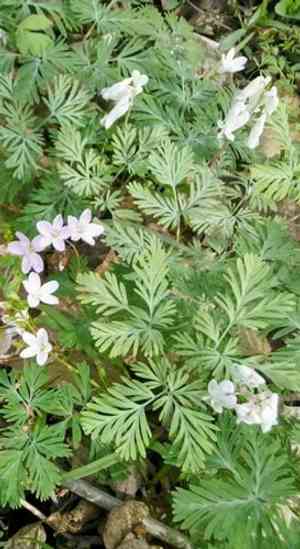
Every part of squirrel Corn, excluding its roots, is toxic when consumed.
2
Signs of poisoning involve shaking, seizures, throwing up, loose stools, and difficulty breathing.
3
Squirrel Corn is frequently found in gardens, raising the danger for kids.
Is Squirrel Corn harmful to people?
While Squirrel Corn possesses mild toxic properties, it becomes harmful if consumed in significant amounts. Skin contact with its sap can also cause adverse reactions. All plant components, excluding the roots, are toxic if ingested. Skin exposure typically results in minor, transient irritation. Ingestion symptoms, triggered by alkaloids, include tremors, seizures, vomiting, loose stools, and difficulty breathing. The degree of toxicity varies based on the quantity consumed, duration of exposure, and individual susceptibility. Its prevalence in gardens increases the risk for children.



