The Hidden Danger in Your Home? Unmasking the Toxicity of the Cheddar pink Plant.
1
Cheddar pink foliage contains harmful saponins that may lead to skin irritation and digestive issues.
2
Pets like cats and dogs face danger if they consume any portion of cheddar pink, possibly resulting in emesis or loose stools.
3
Prompt veterinary attention is essential if animals exhibit symptoms of sickness following contact with cheddar pink.
Is Cheddar pink toxic to humans?
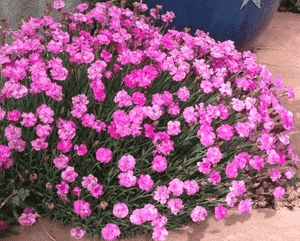
As a carnation or *Dianthus*, cheddar pink possesses certain harmful characteristics if consumed or handled. The consequences of ingesting or touching this plant are generally minor. While the blossoms are harmless, the foliage contains poisonous saponins that can irritate people. Contact with the leaves can lead to skin inflammation and irritation; if consumed, the leaves can cause digestive upset and emesis. These plants are common decorative items and quite accessible to youngsters, who might be particularly susceptible to the plant's effects if they touch or consume it.
Is Cheddar pink toxic to cat?
Cheddar pink presents a low-level toxicity hazard to felines. Should a cat consume a substantial quantity of the plant, especially any part of it, there's a chance of poisoning. Pet parents should be aware that signs of physical discomfort might appear if their cat interacts with or eats cheddar pink. Although the precise toxic compounds haven't been specified, cat owners must be diligent in keeping their pets from accessing the plant to prevent potential adverse effects. If a cat displays any symptoms of illness after exposure to cheddar pink, it's crucial to promptly seek veterinary attention for appropriate treatment and recuperation.
Is Cheddar pink toxic to dog?
Cheddar pink presents a low-level toxicity risk to canines. While the plant isn't highly poisonous, consuming large amounts can result in intoxication. Every part of cheddar pink is considered potentially harmful if eaten by a dog. Signs of poisoning might include digestive upset, such as throwing up or loose stools, and occasionally, more severe responses depending on the quantity consumed and the individual dog's sensitivity. It's vital for dog owners to supervise their pets and stop them from eating cheddar pink. If a dog is suspected of having ingested any part of cheddar pink, it's important to seek immediate veterinary assistance for proper treatment and symptom management.



