The Hidden Danger in Your Home? Unmasking the Toxicity of the Wild carrot Plant.
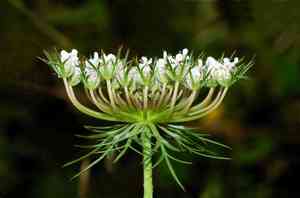
1
Wild carrot poses a poisoning risk to felines, leading to signs such as excessive salivation and lethargy if consumed.
2
Prompt veterinary care is crucial should a cat or dog ingest wild carrot.
3
The foliage, sap, roots, and seeds of wild carrot are all poisonous to both cats and dogs.
Is Wild carrot toxic to cat?
Wild carrot is deemed harmful to felines. Intoxication can happen if cats consume any part of the plant, such as foliage, sap, roots, or seeds, either by chance or out of inquisitiveness. After consuming wild carrot, cats might show signs of physical distress, indicating poisoning. It's crucial for cat guardians to be watchful and stop access to wild carrot to prevent accidental consumption. If a cat shows any worrying symptoms of sickness after contact with wild carrot, prompt veterinary care is necessary for appropriate management and therapy.
Is Wild carrot toxic to dog?
Wild carrot is regarded as poisonous to canines. Dogs might inadvertently consume portions of this plant, which presents a poisoning hazard. The leaves, sap/liquid, roots, and seeds are all recognized as toxic elements of wild carrot. If a dog ingests any part of wild carrot, it could display symptoms like digestive upset, salivation, lethargy, or more serious indicators depending on the quantity consumed. It's essential for dog owners to supervise their pets and restrict access to wild carrot to prevent accidental ingestion. Should a dog consume any part of wild carrot, it is vital to seek immediate veterinary assistance to ensure the best possible prognosis for the animal.



