The Hidden Danger in Your Home? Unmasking the Toxicity of the Winter daphne Plant.
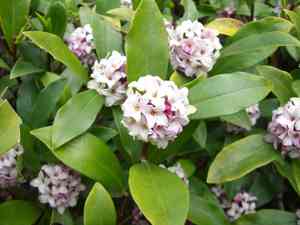
1
Winter daphne poses a significant health risk to humans, as every part of the plant, particularly its berries, contains toxic compounds.
2
Exposure to the sap of winter daphne can lead to skin irritation in certain individuals.
3
Pets like cats and dogs face a considerable danger of severe toxicity if they consume winter daphne, especially its outer layer or reproductive structures.
Is Winter daphne toxic to humans?
Winter daphne is regarded as extremely poisonous to people, though the specific toxin remains unidentified. Every part of the plant is thought to be harmful, with the berries being especially dangerous. While information on winter daphne's toxicity is scarce, consuming other species from its genus can lead to nausea, loose stools, headaches, indigestion, dizziness, a slowed heart rate, and even death in severe instances of large intake. Direct skin contact with winter daphne's sap has also been observed to cause skin inflammation in some individuals.
Is Winter daphne toxic to cat?
Winter daphne presents a significant poisoning hazard to cats. Felines can experience toxicity if they consume portions of the plant, particularly the bark or berries. Following ingestion, a cat might display signs of intense physical discomfort, such as digestive upset, which could appear as throwing up or loose stools. Given its high toxicity, it is crucial for cat guardians to restrict access to winter daphne and observe their pets for any indications of sickness. If poisoning is suspected, immediate professional veterinary attention is essential.
Is Winter daphne toxic to dog?
Winter daphne presents a serious poisoning danger to dogs. When canines consume parts of this plant, especially the bark or berries, they face a high risk of toxicity. Poisoning typically happens when these parts are swallowed, which can occur during inquisitive exploration or accidental consumption. Symptoms of poisoning in dogs may include throwing up, loose stools, stomach pain, excessive drooling, weakness, and potentially more severe signs like convulsions or unconsciousness due to the plant's high toxicity. It is vital for dog owners to be watchful and prevent their pets from reaching winter daphne. If a dog is suspected of having ingested any part of winter daphne, immediate veterinary attention is critical to ensure the best possible outcome for the affected animal.



