The Hidden Danger in Your Home? Unmasking the Toxicity of the February daphne Plant.
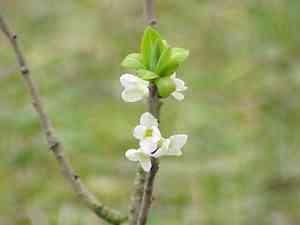
1
Every part of the february daphne plant contains harmful substances that can lead to severe health problems if consumed.
2
Touching the foliage and branches of february daphne can result in intense skin irritation and blistering.
3
February daphne poses a high toxicity risk to animals, especially felines and canines, necessitating prompt veterinary attention if eaten.
Is February daphne toxic to humans?
Every part of the february daphne plant contains mezerein and daphnin, which are harmful if consumed. The berries and twigs are particularly dangerous due to their elevated toxin levels. Ingesting this plant can lead to a choking sensation, swelling of the mouth and throat, vomiting, bloody stools, internal hemorrhaging, overall weakness, and potentially a coma. Contact with the leaves and twigs of february daphne can also cause painful skin irritation and blistering. Given its common use as an ornamental plant, vigilance is advised around young children.
Is February daphne toxic to cat?
February daphne, also known as February daphne, presents a significant danger to cats due to its extreme toxicity. Should a cat consume any portion of this plant, particularly the bark or berries, they face a high risk of poisoning. Such intoxication can result in severe physical distress, requiring prompt veterinary care. If a cat is thought to have eaten february daphne, swift action is vital because of the plant's strong capacity to induce serious illness. Pet owners should closely supervise their cats and restrict their access to this plant to protect their health.
Is February daphne toxic to dog?
February daphne presents a serious poisoning hazard to canines. When dogs consume parts of the plant, especially the bark or fruits, they risk intoxication. Ingestion can manifest in various symptoms, including vomiting, diarrhea, stomach discomfort, and more critical signs like convulsions or unconsciousness, owing to its high toxicity. It is essential for dog owners to keep their pets away from february daphne and to watch for any indications of distress that might suggest poisoning. If a dog is suspected of having ingested february daphne, immediate veterinary attention is critical for the best prognosis.



