The Hidden Danger in Your Home? Unmasking the Toxicity of the Devil's darning needles Plant.
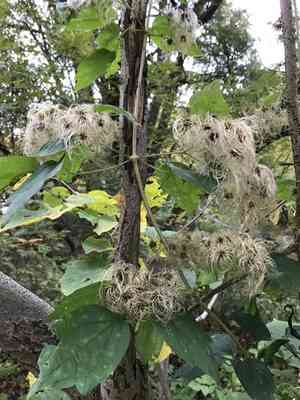
1
Ingesting devil's darning needles can lead to symptoms ranging from oral discomfort to seizures, and potentially be fatal.
2
Domestic animals such as felines and canines face considerable danger if they consume devil's darning needles.
3
Horticulturists ought to don protective gloves to prevent dermal irritation from the foliage of devil's darning needles.
Is Devil's darning needles toxic to humans?
Devil's darning needles poses a moderate toxicity risk to people. Its foliage contains substances that can irritate both skin and the digestive system. Direct contact with broken or torn leaves may result in skin redness or a burning sensation. Consuming the plant's leaves can lead to various uncomfortable symptoms, such as oral discomfort, sores, lightheadedness, and disorientation. In severe instances, seizures or even fatality are potential outcomes. Devil's darning needles are frequently used as decorative plants â gardeners should wear gloves when handling them. Fortunately, there are no edible plants that resemble devil's darning needles, making human ingestion and poisoning incidents exceedingly uncommon.
Is Devil's darning needles toxic to cat?
Devil's darning needles presents a danger to felines. Cats can experience poisoning if they accidentally consume portions of the plant, such as blossoms, foliage, or if they come into contact with its sap. This toxicity can cause physical distress, indicating discomfort or illness in cats. If there's a suspicion that a cat has encountered devil's darning needles, it is crucial to immediately seek veterinary care to avoid additional health issues.
Is Devil's darning needles toxic to dog?
Devil's darning needles is poisonous to dogs, presenting a considerable health hazard if consumed. Dogs can be poisoned by devil's darning needles if they mistakenly eat parts of the plant, which is common given their inquisitive nature and tendency to chew on various vegetation. The harmful components of devil's darning needles include its blooms, leaves, and sap. If a dog ingests any of these parts, it might display signs like digestive upset, excessive salivation, throwing up, or loose stools. In serious situations, more severe symptoms could emerge, requiring urgent veterinary intervention. It is vital for dog owners to be watchful and prevent their pets from accessing devil's darning needles. Should a dog consume this plant, it is imperative to seek treatment at a veterinary clinic without delay to ensure the best possible outcome for the affected animal.



