The Hidden Danger in Your Home? Unmasking the Toxicity of the Rubbertree Plant.
1
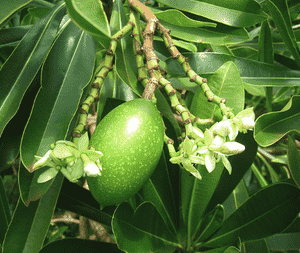
The rubbertree plant possesses the extremely poisonous cardiac glycoside cerberin, capable of inducing lethal heart rhythm disturbances in people.
2
Ingesting even tiny quantities of rubbertree foliage or fruit can pose a serious threat to humans, felines, and canines.
3
Prompt veterinary care is essential if a cat or dog ingests any portion of a rubbertree.
Is Rubbertree toxic to humans?
Rubbertree presents a significant danger to people if consumed. This plant contains cerberin, a highly poisonous cardiac glycoside that can result in severe health issues. Both the foliage and fruit of the rubbertree are toxic components that, if eaten, can cause poisoning. Symptoms of rubbertree poisoning are serious and might involve heart problems, intense stomach pain, throwing up, loose stools, lightheadedness, and potentially fatal irregular heartbeats. Given its high level of toxicity, even small quantities can be hazardous, making it vital to prevent accidental consumption of these parts. Individuals at risk include anyone who might encounter rubbertree, particularly where it grows naturally or is cultivated.
Is Rubbertree toxic to cat?
Rubbertree presents a serious health hazard to felines. Exposure typically occurs when cats accidentally consume its leaves or fruits. The plant contains cerberin, a potent cardiac glycoside that can severely impact a cat's health. After ingestion, a cat may show signs of physical distress, which can rapidly worsen due to the toxin's strength. Since rubbertree is highly poisonous, prompt veterinary care is essential to manage the cat's condition and reduce the risk of life-threatening outcomes.
Is Rubbertree toxic to dog?
Rubbertree poses a considerable toxicity threat to canines. When dogs ingest parts of this plant, especially the leaves or fruit, they can become poisoned. Ingestion often happens by accident as dogs explore their surroundings and chew on or eat plant matter. Following rubbertree consumption, a dog might display symptoms such as throwing up, loose stools, stomach discomfort, sluggishness, an erratic heartbeat, and possibly collapse due to the presence of cerberin, a cardiac glycoside, in the plant. It is crucial for dog owners to supervise their pets closely and restrict access to rubbertree. If a dog is suspected of eating any part of rubbertree, immediate veterinary intervention is vital for the best chance of recovery.



