The Hidden Danger in Your Home? Unmasking the Toxicity of the Yellow marsh marigold Plant.
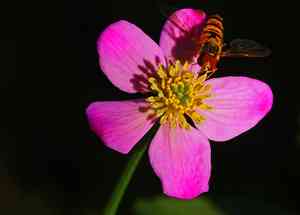
1
When consumed, yellow marsh marigold is poisonous to humans, with its toxicity increasing over time.
2
Yellow marsh marigold presents a considerable poisoning hazard to cats, necessitating prompt veterinary care if eaten.
3
Canines should be kept away from yellow marsh marigold because of its harmful characteristics and severe adverse effects if ingested.
Is Yellow marsh marigold toxic to humans?
Yellow marsh marigold is poisonous to people if consumed, with its toxicity increasing as the plant matures. Every part of the plant (especially the leaves and older sections) contains protoanemonin, which can cause moderate illness in humans. Signs of yellow marsh marigold poisoning include a burning sensation in the throat, throwing up, bloody stools, lightheadedness, passing out, and seizures. This plant also requires careful handling, as its sap can irritate delicate skin. Exercise caution when traversing swamps and wetlands, as this is its natural environment.
Is Yellow marsh marigold toxic to cat?
Yellow marsh marigold presents a considerable toxicity danger to cats. Should felines accidentally ingest any part of this plant, they might suffer negative health consequences. After consuming yellow marsh marigold, cats can display signs of physical distress or sickness, necessitating prompt veterinary intervention. The entire yellow marsh marigold plant is toxic, indicating that carefulness is crucial to keep cats from encountering any part of it. In cases of suspected poisoning, it is vital to quickly take the cat to a veterinary clinic for appropriate treatment and care.
Is Yellow marsh marigold toxic to dog?
Yellow marsh marigold is deemed harmful to canines. Dogs can be poisoned by this plant if they eat any portion of it, as all parts are known to possess the plant's toxic characteristics. If a dog consumes yellow marsh marigold, it might show signs like digestive upset, throwing up, loose stools, and potentially more serious responses depending on the quantity ingested. Given the potential dangers linked with yellow marsh marigold, dog owners should be watchful in preventing their pets from reaching or eating the plant. Should a dog ingest yellow marsh marigold, it is crucial to seek immediate veterinary attention to ensure the best possible outcome for the animal.



