The Hidden Danger in Your Home? Unmasking the Toxicity of the Tuberous begonia Plant.
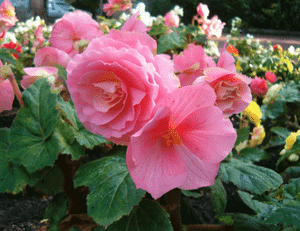
1
All components of tuberous begonia possess soluble calcium oxalates, presenting a moderate toxicity hazard to humans if consumed.
2
Felines experience mild intoxication, exhibiting signs such as digestive upset, should they consume any portion of tuberous begonia. Prompt veterinary attention is essential.
3
Canine consumption of tuberous begonia leads to symptoms including emesis, loose stools, and sluggishness. Urgent veterinary intervention is critical.
Is Tuberous begonia toxic to humans?
Tuberous begonia presents a moderate danger to humans if eaten. The whole plant has soluble calcium oxalates, which can be detrimental if consumed. When ingested, these compounds can cause various signs, such as mouth irritation, a burning feeling in the mouth and throat, trouble swallowing, and throwing up. Sometimes, consumption might also cause loose stools and stomach discomfort. Because these poisonous substances are found throughout the plant, all sections of tuberous begonia are thought to be possibly harmful if accidentally eaten. It's vital for people to know the dangers and stop accidental ingestion, especially in homes with kids or animals.
Is Tuberous begonia toxic to cat?
Tuberous begonia presents a slight toxicity danger to felines. If a cat consumes any portion of the plant, it can result in poisoning due to the presence of soluble calcium oxalates throughout the plant's structure. Following ingestion of tuberous begonia, a cat might display signs of physical distress, including digestive upset. It is essential for cat guardians to be watchful and prevent their pets from inadvertently eating tuberous begonia. Should ingestion occur, owners should promptly seek expert veterinary assistance to manage the symptoms and ensure the cat's health.
Is Tuberous begonia toxic to dog?
Tuberous begonia poses a minor toxicity threat to canines. Dogs might accidentally consume parts of the plant, leading to poisoning. The entire plant contains harmful components that can trigger negative responses in dogs. Signs of poisoning could include throwing up, loose stools, and sluggishness. It is vital for dog guardians to be attentive and keep their pets from reaching tuberous begonia. If a dog is suspected of ingesting any part of tuberous begonia, immediate veterinary care is crucial to ensure appropriate attention and treatment.



