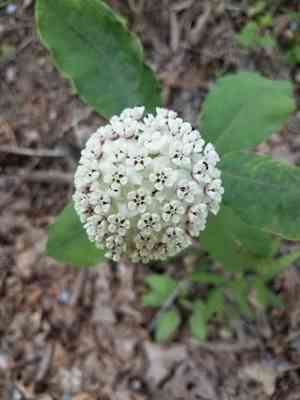
The Hidden Danger in Your Home? Unmasking the Toxicity of the Redring milkweed Plant.
1
Immediate attention needed if sap enters eyes; may result in corneal endothelial damage, causing intense discomfort and impaired sight.
2
Lethal if consumed in significant amounts; signs involve abdominal distension, enlarged pupils, and labored respiration.
3
Common ornamental plant yet extremely poisonous, rendering youngsters and cultivators most vulnerable to intoxication.
Is Redring milkweed harmful to people?
Exposure to the redring milkweed's sap can lead to poisoning in individuals. Contact with the eyes is highly urgent, and consuming significant amounts can be lethal. The toxic components are the sap, present in the foliage and stalks. Skin contact results in irritation. Ocular exposure causes corneal endothelial toxicity, leading to blurred sight, photophobia, and intense discomfort. Symptoms may not appear instantly. Ingesting large quantities can cause abdominal distension, pupil dilation, elevated temperature, labored respiration, and muscle contractions. Redring milkweed is a common garden plant, increasing potential for contact. Children and those who garden are most at risk.



