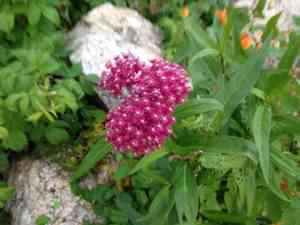
The Hidden Danger in Your Home? Unmasking the Toxicity of the Swamp milkweed Plant.
1
All parts of swamp milkweed contain numerous harmful substances, including resinoids and cardiac glycosides.
2
Ingesting significant quantities of swamp milkweed can lead to symptoms such as convulsions, immobility, and even death.
3
Prompt veterinary attention is essential if felines or canines exhibit indications of swamp milkweed intoxication.
Is Swamp milkweed harmful to people?
Swamp milkweed holds numerous poisonous elements like resinoids and cardiac glycosides throughout its entire structure. Signs of swamp milkweed poisoning usually manifest a few hours post-ingestion, and might involve throwing up, loose stools, queasiness, stomach pain, feebleness, daze, and disorientation. Should significant quantities of swamp milkweed be consumed, symptoms intensify, possibly resulting in convulsions, irregular heartbeats, and a swift decrease in pulse. It could even lead to unconsciousness, paralysis, and death.
Is Swamp milkweed harmful to felines?
Swamp milkweed is recognized for having a moderate level of toxicity for cats. Cats can be poisoned if they accidentally consume any portion of the plant, a danger stemming from all parts being poisonous. After consumption, a cat might display indications of physical distress, sickness, or discomfort. Cat guardians should be mindful of these potential health hazards and observe their pets closely for any unusual conduct. In the case of suspected poisoning, it is vital to promptly seek expert veterinary care as timely intervention can be essential for the animal's recuperation.
Is Swamp milkweed harmful to canines?
Swamp milkweed presents a moderate danger of toxicity to dogs. When dogs consume any part of the plant, they face a risk of poisoning due to its toxic characteristics. The whole plant, encompassing foliage, stalks, blossoms, and seeds, is detrimental if swallowed by dogs. Symptoms of poisoning in dogs might include throwing up, loose stools, weakness, labored breathing, and enlarged pupils. It's crucial for dog owners to be watchful and stop their pets from reaching or eating swamp milkweed. Should a dog ingest swamp milkweed, it is essential to seek immediate veterinary attention to ensure the most favorable outcome for the affected animal.



