The Hidden Danger in Your Home? Unmasking the Toxicity of the Clasping milkweed Plant.
1
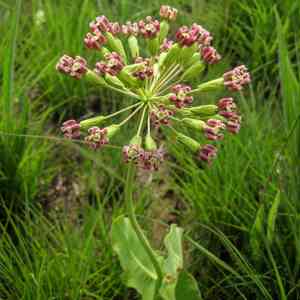
Clasping milkweed possesses cardiac glycosides, which are toxic to humans if consumed.
2
The plant's milky sap holds the greatest amount of the harmful compound.
3
Youngsters are primarily vulnerable because of the plant's frequent and extensive distribution.
Is Clasping milkweed harmful to people?
_Clasping milkweed contains cardiac glycosides, which are harmful to humans if consumed. This poisonous compound is present throughout the plant, with the highest levels in its milky, latex-like sap. Ingestion can cause symptoms such as sickness, throwing up, abdominal discomfort, loose stools, fatigue, and disorientation. More serious effects include unconsciousness, breathing failure, and can be fatal. This plant primarily poses a danger to children due to its common and widespread nature. It doesn't look like edible plants, making accidental ingestion by adults less probable. The sap of Clasping milkweed can also irritate skin and eyes, though these effects are less severe than those from consumption.



