The Hidden Danger in Your Home? Unmasking the Toxicity of the Common wormwood Plant.
1
Ingesting significant amounts of common wormwood, especially as absinthe, is harmful to people.
2
Signs of common wormwood toxicity in humans encompass memory loss, confusion, seizures, and neural impairment.
3
Common wormwood presents a danger to animals, such as felines and canines, causing problems from digestive distress to nervous system disorders.
Is Common wormwood toxic to humans?
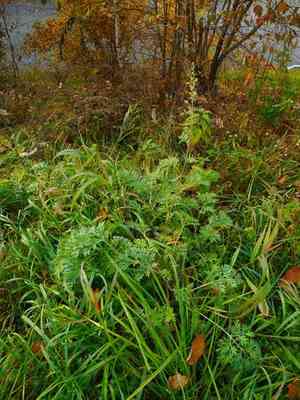
Common wormwood poses a toxicity risk to humans when ingested in substantial amounts, whether fresh or, more frequently, as the beverage absinthe. Every part of this plant is poisonous and can lead to serious health issues. Signs of intoxication include memory loss, disorientation, seizures, and neurological damage. Common wormwood can be found growing wild in disrupted environments or cultivated as an ornamental in yards. Poisoning typically results from either accidental or deliberate consumption, given its use in absinthe.
Is Common wormwood toxic to cat?
Common wormwood presents a moderate level of toxicity to felines, with its blossoms and foliage posing a danger if consumed. Should a cat ingest portions of common wormwood, it might exhibit signs indicating physical distress and sickness. Although the plant is harmful to cats, the exact toxic compounds are not identified. Nevertheless, cat guardians should remain watchful, as even general symptoms warrant concern. If common wormwood poisoning is suspected, prompt veterinary attention is essential to safeguard the affected cat's health.
Is Common wormwood toxic to dog?
Common wormwood is categorized as moderately toxic to canines. Dogs can experience poisoning from this plant primarily through consumption. The harmful components of the plant include its blooms and leaves, which, if swallowed, can result in negative health consequences. Symptoms of poisoning in dogs might appear as digestive upset, neurological problems, or other body-wide effects. It is vital for dog owners to keep their pets away from common wormwood and to observe for any indications of discomfort that could suggest poisoning. If a dog has consumed common wormwood, immediate veterinary care is crucial to ensure the best possible outcome for the animal.



