The Hidden Danger in Your Home? Unmasking the Toxicity of the Dutchman's pipe Plant.
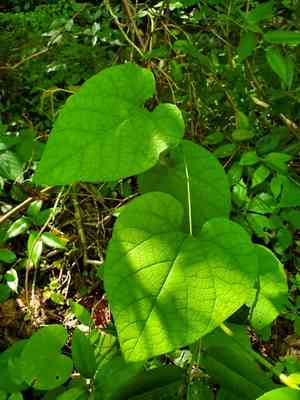
1
Consuming dutchman's pipe leads to kidney failure, which is lethal.
2
Contact with aristolochic acid found in dutchman's pipe may induce urinary tract and bladder cancer.
3
Dutchman's pipe is highly poisonous to felines and canines; prompt veterinary attention is vital if consumed.
Is Dutchman's pipe toxic to humans?
Dutchman's pipe is a highly poisonous plant, and consuming it can be lethal. Its toxicity stems from aristolochic acid, present throughout the entire plant. While touching the plant is harmless, accidental or intentional consumption of any part can be fatal. Ingesting dutchman's pipe primarily leads to kidney failure, which is irreversible and deadly. Exposure to aristolochic acid can also cause urinary tract and bladder cancer. This vine might be found growing on trees in wooded regions. Although safe to touch, avoid ingesting any part of the plant at all costs.
Is Dutchman's pipe toxic to cat?
Dutchman's pipe has been determined to be extremely harmful to felines. Poisoning typically happens when cats consume any portion of the plant, as all its parts are toxic. Following ingestion, cats may exhibit severe signs of physical distress, which could be life-threatening. Prompt veterinary care is essential if a cat consumes dutchman's pipe, to ensure they receive the required treatment and attention.
Is Dutchman's pipe toxic to dog?
The plant species dutchman's pipe presents a significant toxicity hazard to canines. If any part of the plant is swallowed, it can result in serious health problems. Dogs can be poisoned by consuming leaves, stems, flowers, or seeds, as all components of dutchman's pipe are toxic. Signs of poisoning in dogs may include vomiting, diarrhea, stomach pain, kidney failure, and potentially even death if not addressed quickly. It is vital for dog owners to prevent their pets from accessing dutchman's pipe and to seek immediate veterinary assistance if they suspect their dog has ingested any part of this plant.



