The Hidden Danger in Your Home? Unmasking the Toxicity of the Giant ragweed Plant.
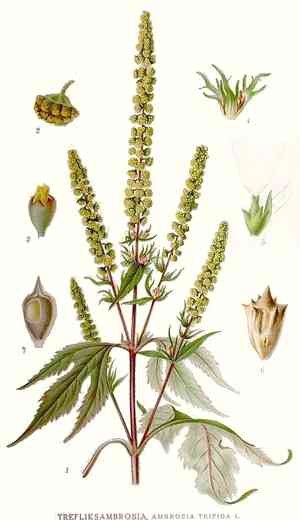
1
Giant ragweed pollen triggers seasonal allergies in humans during autumn, resulting in sneezing, ocular irritation, and other allergic responses.
2
Giant ragweed presents a poisonous risk to felines. Consumption of any portion can result in bodily distress and necessitates prompt veterinary attention.
3
Giant ragweed is poisonous to canines. Swallowing it leads to digestive issues and other adverse effects; consult a veterinarian if exposure happens.
Is Giant ragweed toxic to cat?
Giant ragweed presents a poisonous danger to felines. Should cats inadvertently consume any portion of the plant, they face a risk of intoxication that can result in signs of physical distress. Cats can become poisoned by consuming leaves, stems, or other parts of giant ragweed. Although the precise toxic compounds are not specified, cat guardians should be watchful for giant ragweed in their surroundings. If accidental consumption and subsequent illness occur, it is crucial to obtain immediate veterinary attention for the cat to guarantee swift and suitable treatment.
Is Giant ragweed toxic to dog?
Giant ragweed is deemed harmful to canines. Dogs might accidentally consume parts of this vegetation, potentially leading to poisoning. As all components of giant ragweed are toxic, it's vital for dog guardians to be attentive and prevent their pets from encountering or eating any part of the plant. If a dog does ingest giant ragweed, they might display signs such as digestive upset, skin irritation, or more serious responses depending on the quantity consumed. In cases of suspected giant ragweed poisoning, it is essential for pet owners to seek immediate veterinary assistance to ensure the most favorable outcome for their animal.



