The Hidden Danger in Your Home? Unmasking the Toxicity of the Mitre aloe Plant.
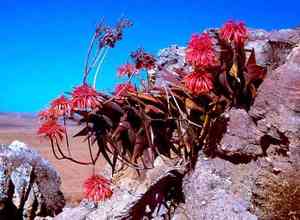
1
Consuming significant quantities of mitre aloe may lead to severe gastrointestinal distress in humans, such as vomiting, diarrhea, and potential liver harm.
2
Mitre aloe presents a high toxicity risk to felines; its sap or juice can induce poisoning necessitating prompt veterinary intervention.
3
Canines may exhibit signs like vomiting, diarrhea, and sluggishness if they inadvertently consume any portion of mitre aloe, requiring urgent veterinary assistance.
Is Mitre aloe toxic to humans?
Mitre aloe, similar to numerous Aloe species, contains aloin, which can mildly irritate the skin of susceptible individuals and severely upset the digestive system if consumed, particularly in older adults. This substance originates from the plant's latex. Ingestion, especially of a significant quantity, can lead to gastrointestinal distress, loose stools, abdominal cramps, emesis, and potential liver damage in humans. Prolonged exposure can result in electrolyte imbalances, and harm to the kidneys and liver. Skin contact may cause irritation and/or accidental intake. Always wash hands after touching. Ensure this plant is inaccessible to children and individuals with cognitive impairments.
Is Mitre aloe toxic to cat?
Mitre aloe is deemed harmful to felines. Should a cat consume portions of the plant, specifically its sap or liquid, it could experience poisoning. This poisoning might happen if cats inadvertently eat the plant. The harmful components of mitre aloe can cause signs of physical discomfort in cats, indicating the necessity for veterinary care. If a cat displays symptoms of illness potentially linked to consuming mitre aloe, it is vital to obtain prompt treatment at an animal hospital to guarantee the most favorable prognosis for the affected cat.
Is Mitre aloe toxic to dog?
Mitre aloe is regarded as poisonous to canines. Dogs might unintentionally consume parts of mitre aloe, leading to intoxication. The main concern with this plant is its sap or juice, which holds the harmful compounds. If a dog encounters or ingests the sap, it might show signs such as throwing up, loose stools, sluggishness, or alterations in urine hue. It's crucial for dog guardians to be watchful and prevent their pets from reaching mitre aloe. Should a dog consume any part of mitre aloe, it is imperative to seek immediate veterinary attention to ensure the best possible outcome for the animal.



