The Hidden Danger in Your Home? Unmasking the Toxicity of the Persian silk tree Plant.
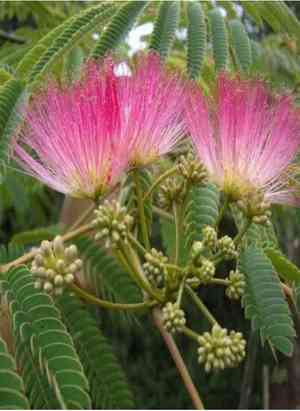
1
The Persian silk tree presents a moderate danger to both felines and canines.
2
The seeds of the Persian silk tree possess harmful substances that are poisonous to animals.
3
Prompt veterinary attention is essential if pets exhibit signs of intoxication from the Persian silk tree.
Is Persian silk tree toxic to cat?
The Persian silk tree presents a moderate toxicity hazard to felines. Should a cat consume the seeds of this tree, which harbor harmful compounds, the animal may display signs of physical distress. In such instances, prompt veterinary attention at a clinic is vital to avert additional health issues. Cat guardians should be watchful and guarantee their pets cannot access the plant's seeds to prevent potential poisoning.
Is Persian silk tree toxic to dog?
The Persian silk tree carries a moderate toxicity risk for canines. The main way dogs can be poisoned is by eating parts of the plant. Specifically, the seeds of the Persian silk tree contain harmful substances for dogs. If a dog consumes these seeds, it might show signs of poisoning. These symptoms could include digestive upset, throwing up, loose stools, sluggishness, or more serious indicators depending on the quantity eaten and the dog's individual sensitivity. It's essential for dog owners to supervise their pets closely and prevent them from getting to the Persian silk tree's seeds. If a dog does eat any part of this plant and starts showing poisoning symptoms, immediate veterinary care is crucial for appropriate treatment and management.



