The Hidden Danger in Your Home? Unmasking the Toxicity of the Red buckeye Plant.
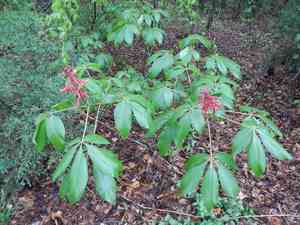
1
Consumption of red buckeye may induce a comatose state:All components of the plant possess poisonous glycosides and saponins, resulting in serious health complications.
2
Red buckeye poses a significant toxicity risk to felines:Swallowing any portion can cause intense distress and necessitates prompt veterinary intervention.
3
Canines can experience severe intoxication from red buckeye:Indications include digestive upset and lethargy; swift medical attention is vital.
Is Red buckeye toxic to humans?
All components of the red buckeye plant contain harmful glycosides and saponins that lead to serious illness. Ingesting significant quantities of this plant results in impaired coordination, muscle contractions, agitation, low mood, digestive issues, abdominal pain, throwing up, loose stools, oral discomfort and swelling, feebleness, immobility, and possibly, unconsciousness. It appears that people sometimes mistakenly eat the seeds, and the leaves can also be accidentally consumed when brewed into tea, which is a primary cause of poisoning. Another common cause is young children placing plant parts in their mouths, hence they should be kept away from this tree.
Is Red buckeye toxic to cat?
Red buckeye is highly poisonous to cats. The plant presents a hazard to felines as they can suffer poisoning from consuming any part of it. Following ingestion, cats might display various signs indicating considerable physical distress, which could point to underlying problems. Seeking immediate veterinary help is crucial if a cat is thought to have been poisoned by red buckeye. Careful observation and swift intervention can lessen the dangers linked to this plant's toxicity.
Is Red buckeye toxic to dog?
Red buckeye presents a significant toxicity danger to dogs. If any part of the plant is swallowed, it can cause poisoning. Dog owners must be watchful as all sections of red buckeye are toxic, and ingestion can happen if a dog chews or eats any piece of the plant. Signs of poisoning might include, but are not limited to, digestive upset, frailty, enlarged pupils, and potentially more severe clinical indications due to its high toxicity. If you suspect your dog has consumed red buckeye, it is essential to get immediate veterinary attention to ensure the best possible result for your pet.



