The Hidden Danger in Your Home? Unmasking the Toxicity of the Yellow Buckeye Plant.
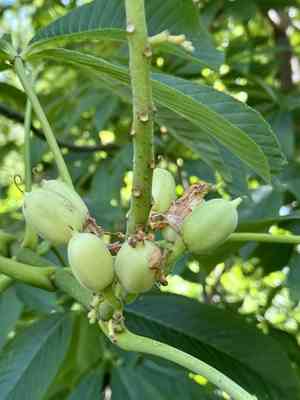
1
Ingestion of Yellow Buckeye by humans may lead to symptoms such as emesis, loose stools, feebleness, and motor impairment.
2
Yellow Buckeye presents a low level of toxicity to felines, potentially resulting in slight physical distress or indisposition.
3
Prompt veterinary intervention is essential if a canine consumes any portion of yellow Buckeye to achieve the most favorable prognosis.
Is Yellow Buckeye harmful to people?
Yellow Buckeye is a poisonous plant capable of harming individuals who consume it. The consequences of ingesting this plant can be serious, though some individuals may excrete the toxins without severe impact. This is due to the fact that the saponins responsible for the seeds' toxicity are not readily absorbed by humans. The foliage and fruits also contain harmful alkaloids. Symptoms caused by the plant's beans can include nausea, loose stools, feebleness, immobility, enlarged pupils, and even lethargy. This plant is commonly used for decoration and could be accidentally eaten by children; adults might also intentionally consume the seeds without adequate preparation.
Is Yellow Buckeye harmful to felines?
Yellow Buckeye presents a potential danger to cat health, displaying slight toxicity. A cat could be exposed to the toxins in yellow Buckeye if it consumes significant quantities of any plant part, such as stalks, produce, foliage, or kernels. Following ingestion, the cat might experience negative health effects indicating physical distress or illness. In such a situation, it is vital for cat guardians to obtain prompt veterinary attention to ensure the most favorable outlook for their animal.
Is Yellow Buckeye harmful to canines?
Yellow Buckeye is categorized as having low toxicity for dogs. Dogs can be poisoned by this plant if they consume large quantities of its stems, fruits, leaves, or seeds. After ingesting parts of yellow Buckeye, a dog might display signs such as digestive upset, frailty, or dilated eye pupils. It's critical for dog guardians to observe their pets carefully and restrict access to yellow Buckeye to prevent the danger of poisoning. If a dog does consume any part of yellow Buckeye, it is imperative to seek immediate veterinary assistance to ensure the best possible prognosis for the animal.



