Ideal Temperature for Eastern hemlock
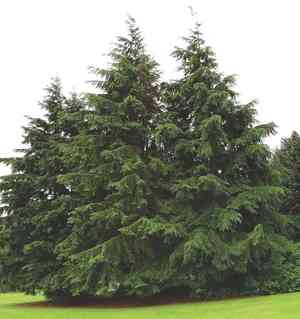
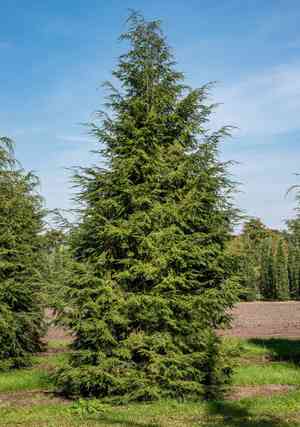
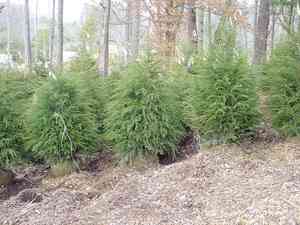
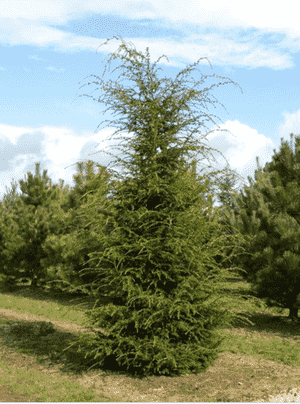
Images of Eastern hemlock
Signs of Cold Stress in Eastern hemlock
Symptoms
Eastern hemlock exhibits exceptional resilience to cold, yet winter temperatures should remain above 32℉. Should temperatures fall below this point, while no immediate alterations might be apparent in winter, branches could become fragile and parched by spring, with no new growth appearing.
Solutions
During spring, remove any lifeless branches that have not developed fresh foliage.
Signs of Heat Stress in Eastern hemlock
Symptoms
Eastern hemlock does not thrive in elevated temperatures. When the temperature surpasses 75℉, it might shed a considerable amount of leaves, and in extreme instances, the entire plant could wilt and perish.
Solutions
Remove the scorched and dehydrated sections. Relocate the plant to an area offering protection from the midday and afternoon sun, or utilize a shade fabric to provide cover. Water the plant in the morning and evening to ensure the soil remains damp.



