Ideal Temperature for Western blue-eyed grass
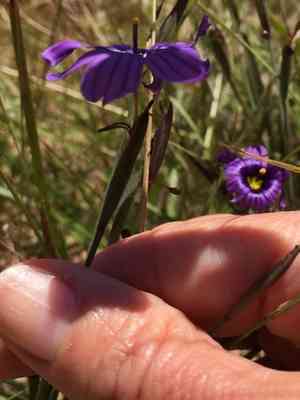
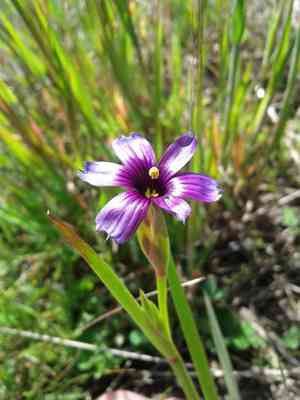
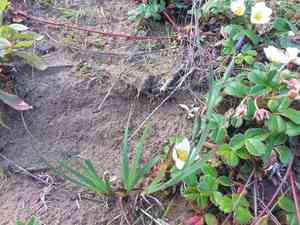
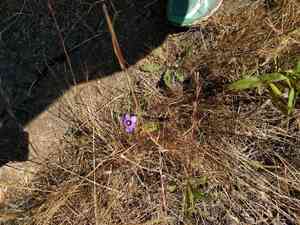
Images of Western blue-eyed grass
Signs of Cold Stress in Western blue-eyed grass
Symptoms
Western blue-eyed grass favors warm conditions and cannot withstand cold. It flourishes best when temperatures exceed 65℉. In winter, it needs to stay above 55℉. If the temperature drops below 40℉, foliage may lose color. Post-frost damage, it progressively browns or blackens, showing signs like wilting and drooping.
Solutions
Remove frost-damaged sections. Promptly relocate indoors to a warm setting for cold protection. Position the plant near a south-facing window for sufficient light. Furthermore, avoid placing it near heating units or AC vents to prevent excessive air dryness.
Signs of Heat Stress in Western blue-eyed grass
Symptoms
In summer, Western blue-eyed grass should be maintained below 75℉. When temperatures surpass 85℉, leaf color fades, and the plant becomes more prone to sunburn.
Solutions
Remove any sunburned and desiccated portions. Relocate the plant to a spot offering protection from intense midday and afternoon sun. Water the plant during morning and evening hours to maintain soil moisture.



