Ideal Temperature for Pigeonberry
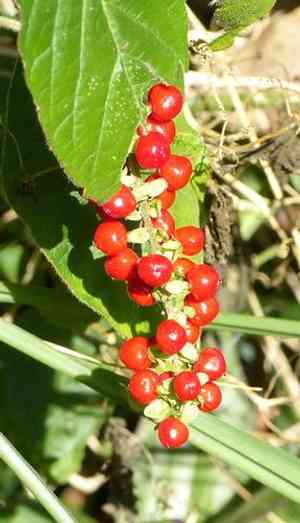
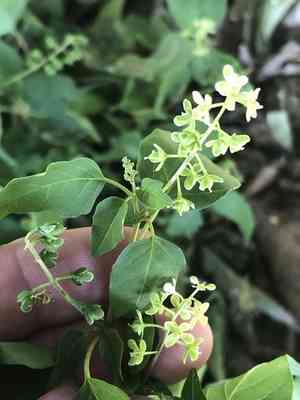
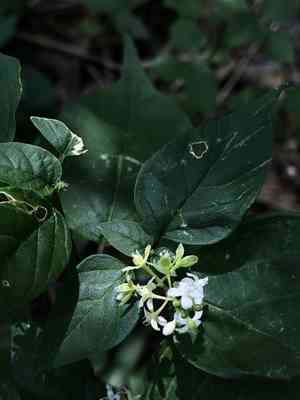
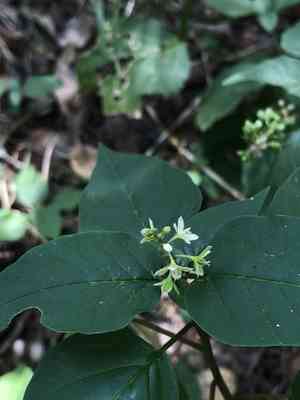
Images of Pigeonberry
Signs of Cold Stress in Pigeonberry
Symptoms
Pigeonberry thrives in warmth and cannot withstand cold. Optimal growth occurs when temperatures exceed 65℉. In winter, maintain temperatures above 55℉. Below 45℉, foliage may lose vibrancy. Post-frost, leaves progressively brown or blacken, accompanied by wilting and drooping.
Solutions
Remove frost-damaged sections. Promptly relocate indoors to a warm area for cold protection. Position the plant near a south-facing window for ample light. Avoid proximity to heaters or AC vents to prevent air desiccation.
Signs of Heat Stress in Pigeonberry
Symptoms
In summer, Pigeonberry should remain below 85℉. Temperatures above 95℉ cause leaves to lighten and increase susceptibility to sunburn.
Solutions
Remove sun-scorched and desiccated portions. Relocate the plant to a spot offering protection from intense midday and afternoon sun. Water the plant during morning and evening hours to maintain soil moisture.



