Ideal Temperature for Chives
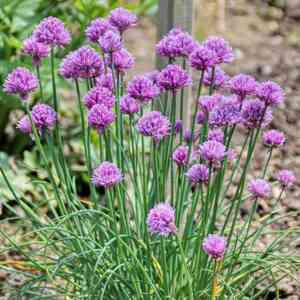
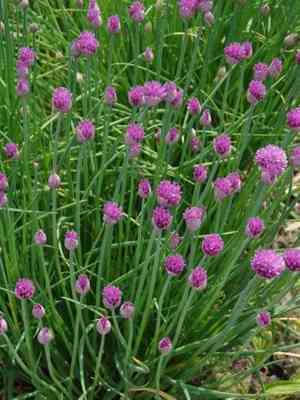
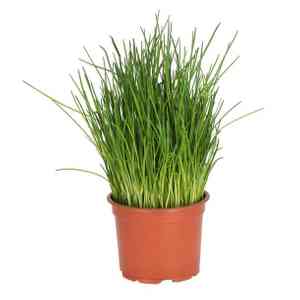
Images of Chives
Signs of Cold Stress in Chives
Symptoms
Chives tolerates cool temperatures moderately, flourishing best between {Suitable_growth_temperature_min} and {Suitable_growth_temperature_max}. In winter, maintain temperatures above {Tolerable_growing_temperature_min}. Below {Limit_growth_temperature}, foliage may darken. Severe cases show water-soaked decay, wilting, drooping, and leaves turning brown.
Solutions
Remove frost-damaged sections. Promptly relocate indoors to warmth or create a temporary greenhouse for cold defense. Indoors, position near a south-facing window for ample light. Supplement with artificial lighting if natural light is insufficient.
Signs of Heat Stress in Chives
Symptoms
In summer, Chives needs temperatures below {Suitable_growth_temperature_max}. Above {Tolerable_growing_temperature_max}, growth slows, leaves lighten, and sunburn risk increases.
Solutions
Prune off sun-scorched and desiccated parts. Relocate the plant to a spot shaded from the afternoon sun. Water in the morning and evening to maintain soil moisture.



