How Much Sunlight Do Zinnia peruviana Need?
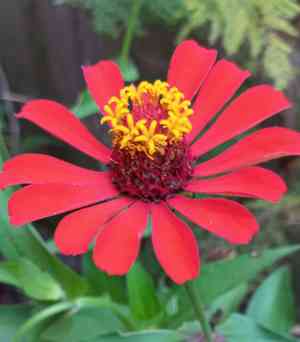
1
Peruvian zinnia flourishes in ample sunlight, needing over 6 hours of direct sun each day.
2
Although Peruvian zinnia can endure some shade, full sun is crucial for prolific flowering.
3
Observe for indications of sun damage or inadequate light to guarantee peak development.
Optimal Light Conditions for Peruvian Zinnia
Full Sun Requirement
Peruvian zinnia flourishes best in full sun, necessitating a minimum of six hours of direct sunlight daily. This plant truly thrives when bathed in the sun's rays, and its vibrant blossoms are a clear indicator of its preference for ample light. When cultivating Peruvian zinnia in your garden, ensure you select a location that receives abundant sunlight throughout the day to achieve the most spectacular and prolific flowering.
Partial Shade Adaptability
While Peruvian zinnia favors full sun, it can endure partial shade to some extent. In areas where consistent full sun exposure might not be feasible, Peruvian zinnia will still grow, though its blooming may be less profuse. If planting in partial shade, aim for a spot with at least three to four hours of direct sunlight. Be aware that while the plant may survive, it won't reach its peak potential without sufficient sunlight.
Daily Sunlight Needs
Required Hours
For peak growth and flowering, Peruvian zinnia requires at least six hours of direct sunlight each day. The more light the plant receives, the better it will develop and bloom. Remember to factor in seasonal light variations when deciding on the ideal planting site.
Seasonal Changes
Sunlight availability fluctuates with the seasons. During peak summer, Peruvian zinnia will receive more light than in autumn or winter. If you're in a region with shorter daylight hours during certain seasons, you might need to reposition the plant or consider supplemental lighting, such as grow lights, to maintain its vitality and flowering cycle.
Indicators of Excessive or Insufficient Sunlight
Sunburn Symptoms
Similar to humans, plants can experience sunburn. If your Peruvian zinnia is getting too much sun, you might observe scorched or bleached areas on its leaves or petals. This signifies that the plant is stressed by intense light. Should these symptoms appear, consider providing some shade during the hottest part of the day.
Signs of Inadequate Light
Conversely, if Peruvian zinnia isn't receiving enough sunlight, it will exhibit leggy growth, fewer flowers, or pale foliage. These are indications that the plant is stretching for light and not getting sufficient energy for robust development. If you notice these signs, re-evaluate the amount of sunlight your plant is getting and make necessary adjustments.
Maximizing Light Exposure for Peruvian Zinnia
Choosing the Correct Spot
Selecting the optimal planting location is vital for the success of your Peruvian zinnia. Look for unobstructed areas in your garden that receive maximum sun exposure throughout the day. Avoid planting near tall trees or structures that could cast long shadows, especially during prime sunlight hours.
Utilizing Reflective Materials and Aids
If natural sunlight is limited in your area, you can boost available light by using reflective surfaces. Placing mirrors or reflective panels around your Peruvian zinnia can help direct more light towards the plant. This is particularly beneficial in urban gardens with restricted direct sunlight.
Indoor Cultivation and Artificial Illumination
Selecting Grow Lights
For indoor growing, choosing appropriate grow lights is crucial to replicate natural sunlight. LED grow lights are favored for their efficiency and ability to deliver the full-spectrum light necessary for Peruvian zinnia's growth. Position the lights close enough to the plant for adequate light penetration, but far enough to prevent overheating.
Establishing Indoor Lighting Schedules
When cultivating Peruvian zinnia indoors, setting up a proper light schedule is essential. Aim to provide at least 12-14 hours of artificial light daily to compensate for the absence of natural sunlight. Using a timer can help maintain a consistent lighting regimen, fostering healthy growth and blooming.



