How Much Sunlight Do Common zinnia Need?
1
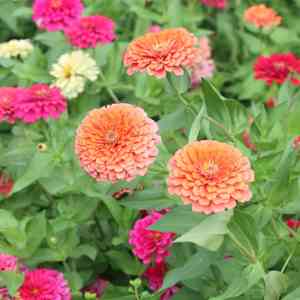
Zinnias flourish in ample sunshine, needing a minimum of six hours of direct sun each day.
2
Although they can endure some shade, full sun promotes vivid flowers and strong development.
3
Be aware of sun damage indicators such as burned foliage if they receive too much direct light.
Optimal Sunlight for Zinnia Plants
Full Sun Requirements
For peak development and flower yield in Zinnia plants, ample direct sunlight is crucial. These cheerful, colorful blooms require a minimum of 6 hours of direct sun daily. Ensuring this light exposure promotes vibrant hues and robust stems. Positioning your zinnias where they receive sun for most of the day will result in abundant flowering.
Partial Shade Tolerance
Zinnia plants are quite adaptable and can endure some partial shade, though it's important to note that reduced light may lead to fewer blossoms and less vigorous growth. If your garden offers morning sun and some afternoon shade, zinnias will still grow, but they might not be as lush or prolific as those in full sun. It's a compromise, but if full sun isn't an option, partial shade can be a workable solution.
Positioning Zinnia Plants for Maximum Sun Exposure
Selecting the Right Garden Spot
Choosing the ideal location in your garden for Zinnia plants is vital. Seek out areas that receive plentiful sunlight throughout the day. Ideally, select a spot with southern or western exposure to maximize sun absorption. Avoid placing them too near taller plants or structures that could cast shadows. The aim is to provide them with unobstructed access to sunlight, ensuring they get the full 6+ hours required.
Utilizing Containers and Planters
If garden space is limited, or if you wish to add zinnias to a balcony or patio, using containers and planters offers an excellent alternative. This flexibility allows you to reposition your plants to capture the best sunlight throughout the day. Ensure containers have good drainage and are sufficiently large to accommodate the zinnia's root system. Rotate containers regularly, if necessary, to ensure even light distribution.
Indications of Excessive or Insufficient Sunlight
Symptoms of Sunburn
While Zinnia plants thrive in sun, too much exposure can cause sunburn, particularly in very hot climates. Sunburn symptoms include scorched, brown, or bleached leaves. If these signs appear, consider providing some afternoon shade or using a light shade cloth to shield your zinnias during peak afternoon heat.
Signs of Inadequate Sunlight
Conversely, insufficient sunlight exposure can also create issues. Zinnia plants that don't receive enough light may become leggy, with elongated stems and sparse foliage. Blooms might be smaller and less vivid. If these symptoms are observed, try moving your zinnias to a sunnier location or prune nearby plants that might be casting shade.
Adjusting Sunlight for Seasonal Changes
Summer Sunlight Adjustments
During summer, sun intensity increases, which generally benefits Zinnia plants. However, in extreme heat, you might need to take measures to protect your plants. Mulching around the base can help retain moisture and keep roots cool. If needed, provide temporary shade during the hottest parts of the day, especially if you notice signs of heat stress or leaf scorch.
Winter Sunlight Strategies
In winter, the main challenge is often a reduction in available sunlight. If you reside in a region with mild winters, your zinnias can still thrive with proper care. Move container-grown plants to the sunniest spots available, such as south-facing windows or patios. In colder climates, zinnias are typically grown as annuals, so you might consider starting new plants each spring.
Employing Artificial Lighting for Zinnia Plants
Indoor Growing Light Options
If cultivating Zinnia plants indoors, artificial lighting can effectively supplement natural light. LED grow lights are an energy-efficient choice that provides the full spectrum of light plants require. Position lights approximately 6-12 inches (15-30 cm) above the plants and adjust as they grow to maintain optimal light exposure. Ensure lights are on for 12-16 hours daily to mimic the natural sunlight cycle.
Best Practices for Artificial Lighting
When using artificial lights, close monitoring of your plants is essential. Check the temperature near the lights to ensure it doesn't become too hot, which could harm your zinnias. Using a timer can help maintain consistent light exposure, and remember to provide periods of darkness to simulate natural conditions. This structured light schedule will help your Zinnia plants flourish as they would outdoors.



