How Much Sunlight Do Narrow leaf zinnia Need?
1
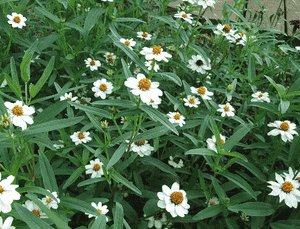
Narrow leaf zinnia flourishes optimally in direct sunlight, requiring a minimum of 6 hours of sun exposure each day for robust growth.
2
It can endure some dappled shade, though this might lessen the quantity of blooms produced.
3
Indications of excessive sun exposure involve scorched leaves, whereas inadequate light can result in elongated, weak stems.
The Importance of Sunlight for Narrow Leaf Zinnia
Photosynthesis and Development
Sunlight is crucial for the development of Narrow leaf zinnia. Through photosynthesis, the plant transforms solar energy into fuel, promoting robust growth. This energy is vital for developing strong stems, vibrant foliage, and an extensive root system. Without sufficient sunlight, photosynthesis is impeded, leading to stunted growth and a dull appearance.
Blossom Production
Narrow leaf zinnia is cherished for its abundance of bright, cheerful flowers. Sunlight plays a key role in blossom production, as it encourages the plant to generate buds and blooms. More light results in more plentiful and vivid flowers. Without enough sun, you might observe fewer blooms and less intense color in your Narrow leaf zinnias.
Optimal Sunlight Requirements for Narrow Leaf Zinnia
Ideal Daily Sun Exposure
For peak growth, Narrow leaf zinnia needs at least 6 to 8 hours of direct sunlight daily. This ensures the plant has ample energy to flourish and produce a generous display of flowers. Positioning with consistent exposure to the midday sun (approximately 10 a.m. to 4 p.m.) is most advantageous.
Best Garden Placement
Place your Narrow leaf zinnia in a garden area where it will receive maximum sunlight. South-facing spots are generally perfect, as they get the most consistent light throughout the day. Ensure no large plants or structures can cast shadows and limit the direct sunlight your zinnias receive.
Can Narrow Leaf Zinnia Endure Partial Shade?
Impacts of Partial Shade
Narrow leaf zinnia can tolerate partial shade, but it's not the best condition for optimal growth. In shaded areas, the plant may become leggy, stretching for more light. Reduced sun exposure can also lead to fewer and less vibrant flowers. While the plant may survive in partial shade, it won't reach its full potential.
Care Adjustments in Shadier Locations
If your garden has limited sunlight, you can still enjoy Narrow leaf zinnia by making some adjustments. Monitor soil moisture closely, as shaded areas may retain water longer, increasing the risk of root rot. You might also consider rotating potted plants to ensure more even sunlight exposure if growing zinnias in containers.
Signs of Too Much or Too Little Sun for Narrow Leaf Zinnia
Identifying Sunburn and Overexposure
Excessive direct sunlight can cause sunburn on Narrow leaf zinnia leaves. Look for brown or white patches indicating sun scald. If you see these signs, consider providing some afternoon shade or moving the plant to a slightly less intense sun area to prevent damage.
Recognizing Insufficient Light Symptoms
Insufficient sunlight may cause Narrow leaf zinnia to exhibit leggy growth, where the plant stretches towards the light, becoming tall and spindly. Other signs include pale, yellowing leaves and reduced flower production. If you notice these symptoms, try moving the plant to a sunnier location.
Seasonal Sunlight Adjustments for Narrow Leaf Zinnia
Summer Sunlight Considerations
In summer, when the sun is strongest, Narrow leaf zinnia may need some protection during peak afternoon hours to prevent sunburn. Using a light shade cloth can help diffuse the intensity of the light while still providing ample exposure.
Winter and Low Light Conditions
During winter, Narrow leaf zinnia may struggle with lower light levels. If you're in a region with mild winters, ensure the plant still gets as much sunlight as possible by placing it in the brightest location available. In colder climates, consider indoor growing under full-spectrum grow lights to supplement the reduced natural light.



