How Much Sunlight Do Rain lily Need?
1
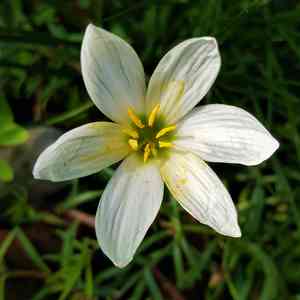
Rain lily flourishes in direct sunlight but can endure some dappled light.
2
To achieve peak development, Rain lily requires a minimum of 6 hours of sun each day.
3
Indicators of insufficient light involve stretched stems and reduced blooming.
Why is Sunlight Essential for Rain lily?
Photosynthesis and Energy Creation
Sunlight is vital for Rain lily as it powers photosynthesis, the process where plants convert light energy into chemical energy. The more direct sun a Rain lily gets, the more efficient its photosynthesis will be. This leads to strong growth, healthy leaves, and vivid blooms.
Vigor and Flowering
Sunlight also directly impacts the Rain lily's vigor and flowering. Sufficient sun exposure ensures the plant can generate enough energy for extended blooming periods and overall plant health. Conversely, too little sun can result in fewer and less vibrant flowers.
How Much Sun Does Rain lily Require?
Direct Sun Needs
Rain lily thrives best when exposed to full sunlight, meaning it should receive direct sun for at least 6 hours daily. Full sun ensures the plant obtains the energy needed for vigorous growth and abundant flowering.
Partial Shade Tolerance
While Rain lily prefers full sun, it can endure partial shade. This makes it a flexible option for gardeners with areas receiving less direct sun but still wanting to enjoy this plant's beauty. However, less sun can affect bloom intensity and overall development.
Seasonal Light Changes
The amount of sun Rain lily receives can vary with the seasons. During summer, with longer daylight hours, the plant easily meets its light needs. In winter, consider placing it where it maximizes available light or supplementing with artificial light if necessary.
Can Rain lily Grow in Low Light Conditions?
Impact on Development
Growing Rain lily in low light can significantly affect its development. The plant may become leggy, with elongated stems and sparse foliage, as it stretches towards available light. Additionally, low light often leads to weak and less frequent flowering.
Adapting to Artificial Illumination
If natural sunlight is insufficient, especially in winter, artificial light can help. Use grow lights to supplement natural light and maintain your Rain lily's health. Position artificial lights about 12-18 inches above the plant, aiming for 10-12 hours of daily light exposure.
What are the Signs of Insufficient Sunlight in Rain lily?
Stretched Growth and Weak Stems
One of the first signs of inadequate sun in Rain lily is stretched growth. Stems will elongate excessively, making the plant appear sparse and weak. This is a natural response as the plant tries to reach for more light.
Poor Bloom Production
Another indicator of insufficient sun is poor flower production. Rain lily needs ample sun to produce vibrant and numerous flowers. If your plant isn't blooming well, it might need a brighter location.
How to Optimize Sun Exposure for Rain lily?
Ideal Planting Spots
To optimize sun exposure, plant your Rain lily where it receives full sun for most of the day. South-facing windows or garden areas are perfect choices.
Utilizing Reflective Surfaces
Using reflective materials around your Rain lily can help increase the light it receives. Position mirrors or white surfaces to reflect extra light onto the plant, especially indoors.
Pruning and Spacing for Light Access
Proper pruning and spacing can improve light penetration to all parts of the Rain lily. Regularly trim overgrown foliage and ensure plants are adequately spaced to allow light to reach lower leaves and stems.



