How Much Sunlight Do Japanese zelkova Need?
1
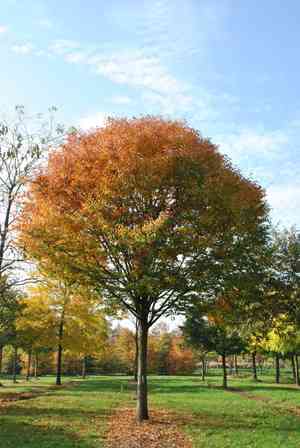
Japanese zelkova thrives with over six hours of direct sun daily.
2
Insufficient light can lead to yellowed foliage and stunted development in Japanese zelkova.
3
Optimal positioning and seasonal modifications will help your Japanese zelkova flourish throughout the year.
Ideal Light Conditions for Japanese Zelkova
Full Sun vs. Partial Shade: Which is Better?
Japanese zelkova flourishes best in full sun, meaning it needs six or more hours of direct sunlight daily. Full sun encourages vigorous development, robust health, and a beautiful crown. While it can endure partial shade, the tree might not achieve its full potential without adequate light. In extremely hot climates, providing some afternoon shade can help prevent leaf damage.
Seasonal Light Requirements
Throughout the year, Japanese zelkova benefits from consistent light exposure. In spring and summer, when days are longer, ensure the tree gets ample morning and afternoon sun. During fall and winter, despite shorter days, the tree still requires significant light. Pruning nearby trees and clearing snow from branches can help maximize light exposure in colder months.
Recognizing Proper Light Exposure Indicators
Healthy Leaf Color and Development
When Japanese zelkova receives appropriate sunlight, its leaves will display a vibrant green hue and show consistent growth. Insufficient light can result in pale or yellowing leaves, indicating inefficient photosynthesis. Regularly inspect your tree's foliage to ensure it maintains its healthy coloration.
Optimal Growth Rate and Structure
Japanese zelkova should grow at a healthy pace when adequately sunlit. You can expect young trees to grow approximately 18-24 inches (45-60 cm) annually. Additionally, a well-lit tree will possess a full and balanced canopy. Any significant deviation from these norms, such as stunted growth or an uneven form, might suggest inadequate sunlight.
Common Sunlight Issues and Solutions for Japanese Zelkova
Managing Sun Scorch and Leaf Burn
If your Japanese zelkova experiences sun scorch, its leaves may develop brown edges or dry, brittle patches. To alleviate this, ensure the tree is well-hydrated, especially during hot periods, and consider providing afternoon shade using a shade cloth or strategically placed plants. Applying mulch around the base can also help retain soil moisture.
Addressing Insufficient Light Exposure
Too little sunlight can lead to poor growth and pale foliage. If your Japanese zelkova appears to struggle due to low light, consider relocating it to a sunnier spot or trimming back overhanging branches from nearby trees. Reflective surfaces, such as white walls or garden features, can also help increase indirect light exposure.
Sunlight Placement Advice for Japanese Zelkova
Selecting the Ideal Garden Location
Choose a spot in your garden that ensures your Japanese zelkova receives uninterrupted sunlight for most of the day. Avoid areas shaded by large structures or trees. Optimal locations might include south or west-facing areas of your yard, where sunlight persists longer throughout the day.
Adjusting Light Exposure Seasonally
As seasons change, be mindful of the sun's shifting position. Summer might necessitate some protective shading during peak heat, while in winter, you might need to remove any obstructions blocking sunlight. Regularly inspect your tree's surroundings and adjust as needed to maintain optimal light conditions.



